


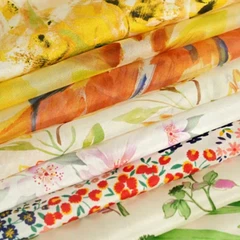
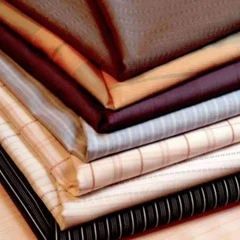

Linen fabric, known for its natural beauty and durability, can indeed be dyed.
一,The Properties of Linen Fabric that Affect Dyeing
- Linen is made from the fibers of the flax plant. These fibers have a certain texture and porosity that can influence the dyeing process. Linen has a relatively rough texture compared to some other fabrics like silk. This roughness can sometimes make it more challenging for the dye to penetrate evenly. However, its porosity also means that it can absorb dye relatively well in many cases .
- Linen fabric has a natural affinity for certain types of dyes. It can bond with dyes at a molecular level, which is essential for successful dyeing.
二,Types of Dyes Suitable for Linen
- Natural Dyes
- Natural dyes such as plant - based dyes can be used on linen. For example, indigo can create beautiful blue hues on linen fabric. These natural dyes often give linen a more earthy and unique look. They are also considered more environmentally friendly. However, the colorfastness of natural dyes on linen may not be as high as with some synthetic dyes, and they may fade over time with repeated washing or exposure to sunlight .
- Synthetic Dyes
- Synthetic dyes like reactive dyes are very effective for dyeing linen. Reactive dyes form a covalent bond with the linen fibers, which results in excellent colorfastness. They can produce a wide range of vivid colors, from bright reds to deep purples. Acid dyes can also be used on linen, especially when a more pastel or delicate color is desired.
三,The Dyeing Process for Linen
- Preparation
- Before dyeing, the linen fabric needs to be pre - washed to remove any dirt, oils, or sizing agents that may be present. This ensures that the dye can penetrate the fabric evenly. The fabric may also need to be soaked in a mordant solution (for natural dyes in particular) to help the dye adhere better to the fibers.
- Dyeing
- When using synthetic dyes, the dye is usually dissolved in water according to the manufacturer's instructions. The linen fabric is then immersed in the dye bath and agitated gently to ensure even distribution of the dye. The temperature and duration of the dye bath can vary depending on the type of dye and the desired color intensity. For natural dyes, the process may be a bit more complex, often involving multiple steps such as boiling the plant materials to extract the dye and then immersing the linen in the resulting dye solution for an extended period.
- After - treatment
- After dyeing, the linen fabric needs to be rinsed thoroughly to remove any excess dye. It may also be necessary to wash the fabric with a mild detergent to further clean it. Finally, the fabric should be dried flat or hung to dry in a well - ventilated area.
In conclusion, linen fabric can be dyed successfully using a variety of dyes and dyeing techniques. Whether one chooses natural or synthetic dyes depends on factors such as the desired color, colorfastness requirements, and environmental considerations.