


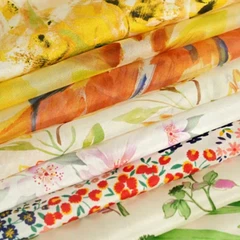

Why Choose Us
Our company having been specialized in digital printing, pattern designing, colour separating and mass production for many years. Our products have been exported to more than 50 countries/regions and we have won a great reputation both at home and abroad.
Quality
We are committed to providing our clients with top-quality dyeing services. We use only the best materials and techniques to ensure that your fabrics come out looking vibrant and true to color.
Expertise
Our team of dyeing professionals has years of experience in the industry. We have the knowledge and skills needed to help you achieve your desired results.
Variety
We offer a wide range of dyeing services to meet the needs of our clients. Whether you need to dye a small amount of fabric or a large batch, we have the resources to get the job done right.
Sustainability
We are committed to reducing our impact on the environment. We use eco-friendly dyeing techniques and strive to minimize waste throughout the dyeing process.
What is Dyeing Fabrics
Fabric dyeing is the process of adding color to fabric. There are many sources of dye and methods of dyeing.
Product Advantages

Low Cost
Comparatively lower cost of production for any item of any color and shade.
Short Time
Comparatively less time is required to produce and supply garments.
No Discoloration
No possibility of shade variation within the garments.
Convenient Production
Small lots of different items could be produced at lower cost within less time.


What is the Process of Dyeing Fabrics
A dyeing process is the interaction between a dye and a fibre, as well as the movement of dye into the internal part of the fibre.
Generally, a dyeing process involves adsorption (transfer of dyes from the aqueous solution onto the fibre surface) and diffusion (dyes diffused into the fibre).


What is the Technical Theory of Dyeing Fabrics
According to this model, a fibre is a solid structure with a network of connected channels or pores that are stuffed full of dyeing liquid, which is often water, during the dying process.
The dye that has been dissolved diffuses into these pores, where it may also become adsorbed on the pore walls.
How to Maintain Dyeing Fabrics
To maintain the durability of Dyeing Fabrics, you can adopt the following methods
Read the care label
Before dyeing your fabric, always check the care label to ensure that the fabric is suitable for dyeing and the correct procedure for washing and ironing.
Wash the Fabric
Before dyeing a fabric, wash it thoroughly to remove any dirt, stains or chemicals on the fabric. This ensures that the dye adheres better to the fabric fibers.
Use the Right Dye
Different types of fabrics require different types of dye, so ensure to use the right dye. For example, synthetic fabrics require a specialized dye called Rolan, while natural fabrics require reactive or direct dyes.
Iron on Low Heat
To prevent the color from fading, iron the dyed fabric on low heat or avoid ironing altogether. If ironing is necessary, iron the fabric inside-out.
What is Dyeing Fabrics Used for Printing Fabrics
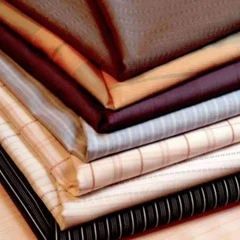
Yarn dyeing, which occurs before the cloth is woven or knitted, is used to produce gingham checks, plaids, woven stripes and other special effects.
Dyeing Fabrics can be applied at various stages within the textile manufacturing process. Fabrics and sometimes finished garments themselves may also be dyed.


Our Factory
Our company was established in September 2008, having been specialized in digital printing, pattern designing, colour separating and mass production for many years. We master huge advantages in manufacturing and producing various printed fabrics made of silk, cotton, wool, rayon, tencel, ramie, linen, polyester,
nylon, lint and so on.


Certifications

FAQ
Q: What should I pay attention to before dyeing fabric?
Q: How long will the fabric stay in the dye?
Q: What is the most difficult fabric to dye?
Q: Should you wash fabric before dyeing it?
Q: Which fabric would require heat set before dyeing?
Q: Is it bad to leave fabric in dye for too long?
Q: What fabrics Cannot be dyed?
100% polyester & 100% acrylic fabrics.
Waterproofed, scotch-guarded (or fabrics with any other special finishes)
Delicate dry-clean fabrics (that don't like hot water)
Items with permanent stains or bleach stains.
Fabric backed with rubber (or similar)
Metal & glass.
Q: What fabric holds dye the best?
Q: What is the formula for dyeing?
Q: What are the three 3 stages of dyeing?
Dyeing at Fibre Stage. Dyeing at Yarn Stage. Dyeing at Fabric Stage. Dyeing at Product Stage.
Q: What does salt do when dyeing fabric?
Q: Should I bleach fabric before dyeing it?
Q: How do you treat fabric before natural dyeing?
Q: How do you prepare fabric for dyeing?
Weigh your fabric dry, this number is the weight of Fabric or WOF.
Prepare your fabric by scouring/washing with very hot water and neutral detergent, like synthropal.
Add alum to a pot with warm water.
Dissolve the alum into the warm water and stir, the alum bath is ready for fabric.
Q: Why do you add vinegar to Rit dye?
(1) add 1 cup of salt when dyeing fabrics containing cotton, rayon, ramie or linen;
(2) add 1 cup of vinegar when dyeing fabrics containing nylon, silk or wool. Add 1 teaspoon of dish detergent to help promote level dyeing.
Q: How do they make patterns on fabric?
Hand block printing.
Perrotine printing.
Engraved copperplate printing.
Roller, cylinder, or machine printing.
Stencil printing.
Screen printing.
Digital textile printing.
Flexo textile printing.
Q: How do you stop dye from running in fabric?
Q: What fabrics don't tie dye?
Q: What fabric colors fade the fastest?
Q: What is the basic knowledge of dyeing?
We're professional printing fabrics manufacturers and suppliers in China, specialized in providing high quality products and service. We warmly welcome you to buy high-grade printing fabrics at competitive price from our factory.