


Why Choose Us
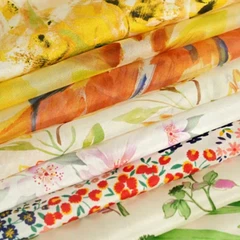
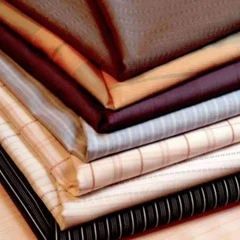
Our company having been specialized in digital printing, pattern designing, colour separating and mass production for many years. Our products have been exported to more than 50 countries/regions and we have won a great reputation both at home and abroad.
Quality
We are committed to providing our clients with top-quality dyeing services. We use only the best materials and techniques to ensure that your fabrics come out looking vibrant and true to color.
Expertise
Our team of dyeing professionals has years of experience in the industry. We have the knowledge and skills needed to help you achieve your desired results.
Variety
We offer a wide range of dyeing services to meet the needs of our clients. Whether you need to dye a small amount of fabric or a large batch, we have the resources to get the job done right.
Sustainability
We are committed to reducing our impact on the environment. We use eco-friendly dyeing techniques and strive to minimize waste throughout the dyeing process.
-
![Cotton Poplin Fabric]()
-
![Drill Cotton Fabric High Quality Fabric]()
-
![Cotton Poplin Fabric Soft Comfortable Fabric]()
-
![Stretch Cotton Fabric Polka Pattern Fabricr]()
-
![Cotton Poplin Fabric Soft Fabric]()
-
![Soft High Quality Cotton Poplin Fabric]()
-
![Comfortable Fabric Cotton Poplin Fabric]()
-
![Salt Shrinkage Cotton Fabric]()
-
![Colorful Flower High Quality Poplin Cotton Fabric]() Colorful Flower High Quality Poplin Cotton FabricWe offer silk cotton poplin fabric with high quality. The silk-cotton poplin fabrics we produce have various specifications,such as 80*80/133*100,60*60/140*120,60*22D/2read more
Colorful Flower High Quality Poplin Cotton FabricWe offer silk cotton poplin fabric with high quality. The silk-cotton poplin fabrics we produce have various specifications,such as 80*80/133*100,60*60/140*120,60*22D/2read more -
![Rose Soft Poplin Cotton Fabric]() Rose Soft Poplin Cotton FabricWe offer silk cotton poplin fabric with high quality. The silk-cotton poplin fabrics we produce have various specifications,such as 80*80/133*100,60*60/140*120,60*22D/2read more
Rose Soft Poplin Cotton FabricWe offer silk cotton poplin fabric with high quality. The silk-cotton poplin fabrics we produce have various specifications,such as 80*80/133*100,60*60/140*120,60*22D/2read more -
![Line Leaf Poplin Cotton Fabric]() Line Leaf Poplin Cotton FabricWe offer silk cotton poplin fabric with high quality. The silk-cotton poplin fabrics we produce have various specifications,such as 80*80/133*100,60*60/140*120,60*22D/2read more
Line Leaf Poplin Cotton FabricWe offer silk cotton poplin fabric with high quality. The silk-cotton poplin fabrics we produce have various specifications,such as 80*80/133*100,60*60/140*120,60*22D/2read more -
![Salt Shrinking Flower Cotton Fabric]() Salt Shrinking Flower Cotton FabricWe offer silk cotton poplin fabric with high quality. The silk-cotton poplin fabrics we produce have various specifications,such as 80*80/133*100,60*60/140*120,60*22D/2read more
Salt Shrinking Flower Cotton FabricWe offer silk cotton poplin fabric with high quality. The silk-cotton poplin fabrics we produce have various specifications,such as 80*80/133*100,60*60/140*120,60*22D/2read more


What is Cotton and Linen Fabric
Cotton and linen are two different types of natural fibers that are commonly used in textile industry to make fabric for clothing, home textiles, and other applications.
Cotton fabric is made from the natural fibers of cotton plants. The cotton fibers are soft, fluffy, and breathable, with a high moisture absorption and retention capacity. Cotton fabric is versatile and can be used for a variety of clothing items such as shirts, pants, dresses, and skirts, as well as for home textiles like bed sheets, towels, and curtains.
Linen fabric is made from the flax plant, which is known for its long, strong and durable fibers. Linen fabric is lightweight, breathable, and has a natural texture that gives it a unique look and feel. It is commonly used for clothing items such as shirts, dresses, and trousers, as well as for home textiles like tablecloths, napkins, and drapes. Linen fabric also tends to have better durability and longevity than cotton fabric.


Benefits of Cotton and Linen Fabric
Cotton and linen fabrics have numerous benefits that make them popular choices for clothing, home decor, and other textile products. Here are some of the key benefits of these fabrics:
1. Comfortable: Both cotton and linen fabrics are natural, breathable materials that are comfortable to wear and use. They are soft to the touch, lightweight and allow air to circulate around the body.
2. Durability: Cotton and linen fabrics are both very durable and can last for years, even with frequent use and washing. They are resistant to wear and tear, and do not easily fray or pill like synthetic fabrics.
3. Easy to care for: Cotton and linen fabrics are both easy to care for, and many can be machine washed and dried. They can also be easily ironed to remove wrinkles.
4. Versatility: Both fabrics are incredibly versatile and can be used for a wide range of products, such as clothing, bedding, towels, tablecloths, and curtains.
5. Sustainable: Cotton and linen are both natural, renewable resources. In addition, cotton can be grown using eco-friendly practices, such as organic farming, and linen requires minimal water and pesticides.
6. Safe: Since cotton and linen fabrics are natural, they do not contain harmful chemicals or toxins that can be found in synthetic fabrics. They are safe for humans and the environment.
7. Absorbent: Both fabrics have the ability to absorb moisture, which makes them great choices for towels, washcloths, and other bathroom linens. They can also be used for clothing in hot and humid weather, as they can help keep the body cool and comfortable.
8. Timeless: Cotton and linen fabrics are classic and timeless, making them appropriate for any occasion or setting. They can be dressed up or down, and will never go out of style.
Features of Cotton And Linen Fabric
-
Breathability: Cotton And Linen Fabric is extremely breathable, allowing air to circulate through it and keeping the wearer cool and comfortable in warm weather.
-
Durability: Cotton And Linen Fabric is incredibly durable and robust, making it perfect for frequently used products, such as bedding and workwear.
-
Softness: Cotton And Linen Fabric is very soft and gentle on the skin, making it a fantastic choice for clothing.
-
Moisture absorption: Cotton And Linen Fabric is capable of absorbing up to 20% of its weight in water, making it perfect for bedding.
-
Elegant appearance: Cotton And Linen Fabric has a natural and elegant appearance that adds a rustic touch to any product created with it.

Process of Cotton and Linen Fabric
What processes are required for the processing of cotton and linen fabric

Cotton seed processing
Cotton seeds are processed into cotton fibers through cleaning, crushing, refining, screening and other processes

Spinning
Put the cotton fiber into the spinning wheel and spin it into yarn through spinning, winding and other processes

Twisting
Twisting the yarn through a twisting machine to produce spun yarn

Weaving
Weaving spun yarn through a loom to produce cotton fabric

Printing and dyeing
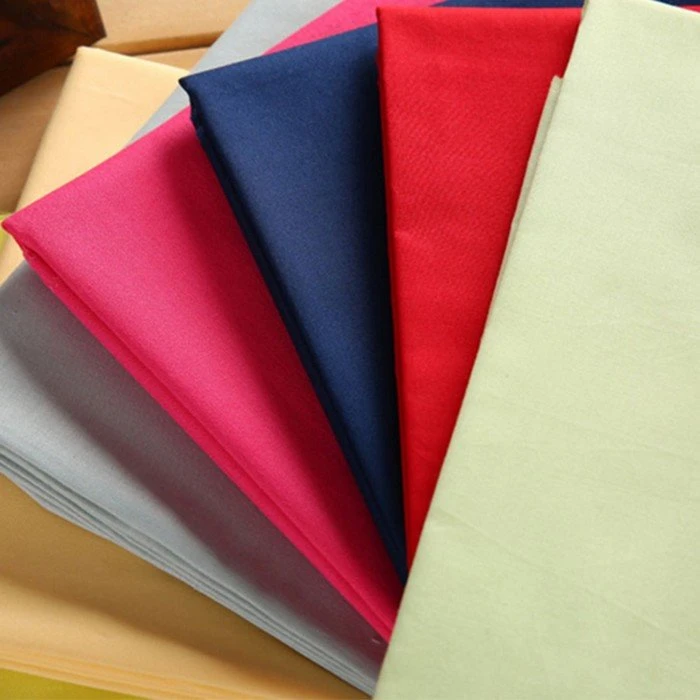
Cotton fabrics are printed and dyed to give them colorful patterns
Finishing
The printed and dyed cotton fabrics are processed through finishing, inspection and other processes to ensure quality. The final product is Cotton And Linen Fabric
What are the Applications of Cotton and Linen Fabric:
-
Cotton and linen fabric uses range across bed and bath fabrics (tablecloths, bath towels, dish towels, bed sheets)
-
Home and commercial furnishing items (wallpaper/wall coverings, upholstery, window treatments)
-
Apparel items (suits, dresses, skirts, shirts)
-
Industrial products (luggage, canvases, sewing thread)

How to Maintain Cotton and Linen Fabric
If machine wash, use a delicate or short cycle with lukewarm or cold water
You will extend the life of the fabric if you hand-wash your cotton and linen fabric in cold water
Steer clear of harsh laundry detergents when washing cotton and linen fabric
Better use a mild detergent for delicate cotton and linen fabric

Softness: Cotton is known for its softness, while linen is known for its durability. Blending these two fibers creates a fabric that is soft and comfortable, but also strong and long-lasting. Absorbency: Cotton is highly absorbent, which makes it great for use in towels and other household textiles.
1. Clothing: Cotton is widely used to make clothing items such as dresses, shirts, skirts, pants, and jackets due to its comfortable, breathable, and lightweight nature.
2. Home textiles: Cotton is used to make a variety of home textiles such as bed sheets, pillowcases, curtains, and drapes due to its softness, durability, and easy-to-care-for properties.
3. Medical supplies: Cotton is used in the production of medical supplies such as bandages, gauze, and surgical dressings due to its absorbent and hypoallergenic properties.
4. Industrial uses: Cotton is used to make many industrial products such as tents, tarpaulins, canvas, and filter cloths due to its strength and durability.

Our Factory
Our company was established in September 2008, having been specialized in digital printing, pattern designing, colour separating and mass production for many years. We master huge advantages in manufacturing and producing various printed fabrics made of silk, cotton, wool, rayon, tencel, ramie, linen, polyester, nylon, lint and so on


Certifications
FAQ
Q: How can you tell if fabric is cotton or linen?
Q: Is 100% cotton the same as 100% linen?
Q: What's the difference between 100% cotton and 100% linen?
Q: What happens when you mix linen and cotton?
Q: How do you take care of Cotton And Linen Fabric?
Q: Where does cotton and linen come from?
Q: What are the qualities of cotton & linen blend?
Q: Does linen and cotton shrink?
Q: Can you put cotton and linen in the dryer?
Q: How long does cotton linen last?
Q: Does linen and cotton shrink in the dryer?
Q: Is Linen More Expensive Than Cotton?
Q: How do you wash Cotton And Linen Fabric?
Machine dry on a low heat setting or air dry flat.
Warm to hot iron on just-damp Cotton And Linen Fabric for best ironing results.
Q: Does Cotton And Linen Fabric stretch over time?
Q: Should you size up in Cotton And Linen Fabric?
Q: Can you stretch linen cotton blend?
Q: Which is better cotton linen or cotton blend?
Q: Which wrinkles more cotton or linen?
Q: What is the ratio of cotton to linen blend?
Q: Does linen breathe like cotton?
We're professional cotton and linen fabric manufacturers and suppliers in China, specialized in providing high quality products and service. We warmly welcome you to buy high-grade cotton and linen fabric at competitive price from our factory.