



Why Choose Us
Our company having been specialized in digital printing, pattern designing, colour separating and mass production for many years. Our products have been exported to more than 50 countries/regions and we have won a great reputation both at home and abroad.
Quality
We are committed to providing our clients with top-quality dyeing services. We use only the best materials and techniques to ensure that your fabrics come out looking vibrant and true to color.
Expertise
Our team of dyeing professionals has years of experience in the industry. We have the knowledge and skills needed to help you achieve your desired results.
Variety
We offer a wide range of dyeing services to meet the needs of our clients. Whether you need to dye a small amount of fabric or a large batch, we have the resources to get the job done right.
Sustainability
We are committed to reducing our impact on the environment. We use eco-friendly dyeing techniques and strive to minimize waste throughout the dyeing process.
-
![Cow Pattern Interwoven Satin]() Cow Pattern Interwoven SatinProduct name: Cow pattern interwoven satin Code:MX200066 Technics: woven Style: plain weave Type: inelastic fabric Composition: 50%S, 50%V Specification: 18mm Width: 140cm Weight: 77gsm Thickness:read more
Cow Pattern Interwoven SatinProduct name: Cow pattern interwoven satin Code:MX200066 Technics: woven Style: plain weave Type: inelastic fabric Composition: 50%S, 50%V Specification: 18mm Width: 140cm Weight: 77gsm Thickness:read more -
![Naval Stripe Yarn-dyed Silk Cotton]() Naval Stripe Yarn-dyed Silk CottonTechnics: woven. Style: plain weave. Type: inelastic fabric. Composition: 20%S, 80%C. Specification: 13mm.read more
Naval Stripe Yarn-dyed Silk CottonTechnics: woven. Style: plain weave. Type: inelastic fabric. Composition: 20%S, 80%C. Specification: 13mm.read more -
![Blue Stripe Yarn-dyed Silk Cotton]() Blue Stripe Yarn-dyed Silk CottonTechnics: woven. Style: plain weave. Type: inelastic fabric. Composition: 20%S, 80%C. Specification: 13mm.read more
Blue Stripe Yarn-dyed Silk CottonTechnics: woven. Style: plain weave. Type: inelastic fabric. Composition: 20%S, 80%C. Specification: 13mm.read more -
![Pink Stripe Yarn-dyed Silk Cotton]() Pink Stripe Yarn-dyed Silk CottonTechnics: woven. Style: plain weave. Type: inelastic fabric. Composition: 16%S, 84%C. Specification: 14mm.read more
Pink Stripe Yarn-dyed Silk CottonTechnics: woven. Style: plain weave. Type: inelastic fabric. Composition: 16%S, 84%C. Specification: 14mm.read more -
![Stripe Yarn-dyed Silk Cotton Fabric]() Stripe Yarn-dyed Silk Cotton FabricTechnics: woven. Style:plain. Type: inelastic fabric. Composition: 84%C, 16%S. Specification: 14MM.read more
Stripe Yarn-dyed Silk Cotton FabricTechnics: woven. Style:plain. Type: inelastic fabric. Composition: 84%C, 16%S. Specification: 14MM.read more -
![Gray Yarn-dyed Silk Cotton Fabric]() Gray Yarn-dyed Silk Cotton FabricTechnics: woven. Style:plain. Type: inelastic fabric. Composition: 84%C, 16%S. Specification:14MM. Width: 135cm.read more
Gray Yarn-dyed Silk Cotton FabricTechnics: woven. Style:plain. Type: inelastic fabric. Composition: 84%C, 16%S. Specification:14MM. Width: 135cm.read more -
![Silk And Cotton Plaid Gauze]() Silk And Cotton Plaid GauzeTechnics: woven. Style: plain weave. Type: inelastic fabric. Composition: 25%S, 75%C.read more
Silk And Cotton Plaid GauzeTechnics: woven. Style: plain weave. Type: inelastic fabric. Composition: 25%S, 75%C.read more -
![Yarn-dyed Silk Cotton]() Yarn-dyed Silk CottonTechnics: woven. Style: plain weave. Type: inelastic fabric. Composition: 16%S, 84%C. Specification: 14mm.read more
Yarn-dyed Silk CottonTechnics: woven. Style: plain weave. Type: inelastic fabric. Composition: 16%S, 84%C. Specification: 14mm.read more -
![Silk-cotton Sateen Strip Gauze]() Silk-cotton Sateen Strip GauzeStyle: plain weave. Type: inelastic fabric. Composition: 53%S, 47%C. Specification: 13mm. Width: 108cm.read more
Silk-cotton Sateen Strip GauzeStyle: plain weave. Type: inelastic fabric. Composition: 53%S, 47%C. Specification: 13mm. Width: 108cm.read more


Yarn dyed fabrics are those fabrics that are made using pre-dyed yarns. It is an ancient method of weaving and textile manufacturing where spools of yarns are dyed before weaving the fabric. The only difference today is that all the processes involved are mechanized or automated for more efficiency.

What are the advantages of yarn dyed fabrics?

Hygroscopicity
Cotton fiber has good hygroscopicity. Under normal conditions, the fiber can absorb moisture from the surrounding atmosphere, and its moisture content is 8-10%, so it touches human skin and makes people feel soft and not stiff. If the humidity of the cotton cloth increases and the surrounding temperature is higher, all the water contained in the fiber will evaporate and disperse, so that the fabric can maintain a water balance and make people feel comfortable.
Thermal insulation
Because cotton fiber is a poor conductor of heat and electricity, the thermal conductivity is extremely low, and because cotton fiber itself has the advantages of porosity and high elasticity, a large amount of air can accumulate between the fibers, and air is a poor conductor of heat and electricity, so pure Cotton fiber textiles have good thermal insulation properties and make people feel warm.
Heat resistance
Pure cotton fabric has good heat resistance. When the temperature is below 110°C, it will only cause the moisture on the fabric to evaporate and will not damage the fiber. Therefore, pure cotton fabric has good washability and durability at room temperature.
Hygiene
Cotton fiber is a natural fiber, its main component is cellulose, and a small amount of waxy substances, nitrogenous substances and pectin. The pure cotton fabric has been inspected and practiced in many ways, and the fabric has no irritation or negative effect in contact with the skin. It is beneficial and harmless to the human body and has good hygiene performance.
Features of Yarn Dyed Fabrics
Better permeability
The color will be more vivid and full
The dyeing is stronger and not easy to fade
The production process is more complex and the price is higher
Various logistics modes are available
Yarn dyed fabrics retro wear-resistant
Yarn dyed fabrics are more resistant to washing and shrinkage
It is less likely to cause shrinkage and wrinkles
Classification of Yarn Dyed Fabrics

Natural yarn dyed fabrics
These fabrics are made using natural fibers like cotton, linen, silk, and wool. They can be dyed using natural dyes like indigo, madder, and cochineal.
Synthetic yarn dyed fabrics
These fabrics are made using synthetic fibers like polyester, nylon, and rayon. They can be dyed using synthetic dyes like acid dyes, disperse dyes, and reactive dyes.

Piece-dyed fabrics
These fabrics are dyed after they have been woven or knitted. The entire fabric is submerged in a dye bath, resulting in an even color throughout. Yarn dyed fabrics can also be further classified into:
Woven yarn dyed fabrics
These fabrics are woven using yarns that have been dyed before weaving. They can be plain, twill, or satin weaves and can have different patterns like plaids, stripes, and checks.

Knitted yarn dyed fabrics
These fabrics are knit using yarns that have been dyed before knitting. They can be single knits or double knits and can have different patterns like jacquard knits and rib knits.
Jacquard yarn dyed fabrics
These fabrics are woven using a special loom that allows for intricate patterns and designs. They can be made using natural or synthetic yarns and can have a range of colors.

Striped yarn dyed fabrics
These fabrics have stripes of different colors and widths. They can be woven or knitted and can have different patterns like pinstripes and awning stripes.
Plaid yarn dyed fabrics
These fabrics have a checked pattern with two or more colors. They can be woven or knitted and can have different patterns like tartan and Madras.
Effect of Yarn Dyed Fabrics

Differences in raw materials
According to different raw materials, it can be divided into yarn-dyed cotton cloth, yarn-dyed polyester-cotton cloth, yarn-dyed mid-length wool-like tweed, all-wool tweed, wool-polyester tweed, wool-polyester three-in-one tweed, slub gauze, knotted gauze, etc., and there are many yarn-dyed fabrics using silk and linen as raw materials.
Weaving method
According to different weaving methods, it can be divided into plain yarn-dyed fabrics, yarn-dyed poplin, yarn-dyed plaid, Oxford cloth, chambray, denim, and khaki, twill, herringbone, gabardine, satin, and dobby, large jacquard cloth, etc.
Different processes
According to the different process characteristics of the front and back processes, it can also be divided into: colored warp and white weft fabrics, colored warp and colored weft fabrics, and various yarn-dyed fabrics formed by the napping, raising, sanding and milling of the subsequent processes.
Different costs
Because the total loss of yarn dyeing, weaving, and finishing of yarn dyed fabrics is large, and where the production output is insufficient, the white gray fabric is high, so the cost increases.
What are the benefits of using yarn dyed fabric?
Yarn dyed fabric is a type of textile that is made by dyeing the individual yarns before they are woven into fabric. This process has several benefits that make yarn dyed fabrics a popular choice.
Firstly, yarn dyed fabric is more resistant to color fading. This is because the dye penetrates deeply into the yarn fibers, resulting in a richer and longer-lasting color.
Thirdly, yarn dyed fabric is more durable than other types of fabric. The dyeing process strengthens the yarn fibers, making them more resistant to wear and tear. This makes yarn dyed fabric ideal for use in high-use items such as upholstery and curtains.
Fourthly, yarn dyed fabric has a unique texture and feel. The individual yarns create a slightly raised surface, giving the fabric a tactile quality that is pleasing to the touch. This makes yarn dyed fabric a popular choice for high-end clothing and accessories.

How to Maintain Yarn Dyed Fabrics
If it is close-fitting clothing, it is recommended to wash it after purchase before wearing it, which can further remove the residues in the dyeing process of the fabric.

Things To Note When Washing And Maintaining Yarn Dyed Fabrics
1. Do not rub or hang it with rough objects to avoid pilling and holes in the clothes.
2. Knitted T-shirts are easy to deform and cannot be machine washed. They should be hand washed or dry cleaned.
3. The water temperature should not exceed 30°C. It is not suitable to soak.
4. Please wash light and dark clothes separately.
5. Do not wring out the clothes after washing. It should be spread flat on a clothes drying net to dry.
6. Sweat-stained clothes should be changed and washed promptly. If not cleaned in time, it is easy to cause sweat spots and discoloration of clothes.
7. To maintain the flatness of Yarn-Dyed Fabrics clothing, steam iron it after washing and drying.
8. Store in a cool, dry place and pay attention to moth and mildew prevention.
1. Wash according to the instructions on the label. Some yarn dyed fabrics may require specific washing methods, such as dry cleaning or hand washing.
2. Avoid using hot water or strong detergents for cleaning. This can easily lead to fading and deformation of yarn dyed fabrics.
3. Turn the fabric inside out before washing. This prevents patterns and patterns on the surface of yarn dyed fabrics from being worn and damaged.
4. Not suitable for prolonged exposure to the sun. Clothes made of dark-colored fabrics are prone to fading if exposed to the sun for a long time.

What are the different types of yarn dyed fabric?
Yarn dyed fabric is a type of textile that is made by dyeing the individual yarns before they are woven into fabric. This process allows for a wide range of colors and patterns to be used, resulting in unique and beautiful fabrics. Here are some other types of yarn dyed fabric that you might come across:
Tweed is a woolen fabric that is characterized by its rough, textured surface. It is commonly made with a mix of different colored yarns, resulting in a fabric with a complex, variegated appearance. Tweed fabric is often used for jackets, suits, and skirts.
Herringbone is a popular pattern that is often used in yarn dyed fabrics. It is characterized by its distinctive “V” shape, which is created by weaving together yarns at an angle. Herringbone fabric can be made from a variety of fibers, including wool, cotton, and silk.
Ikat is a type of yarn dyed fabric that is characterized by its blurry, smudged appearance. It is made by tying and dyeing the yarns in a specific pattern before they are woven into fabric. Ikat fabrics can be made in a variety of colors and patterns, and are often used for clothing and home decor.
Striped yarn dyed fabrics are a classic choice for clothing and home decor. They can be made from a variety of fibers and can be any color, width, or pattern. Striped fabrics are often used for shirts, dresses, bedding, and curtains.
Jacquard is a type of yarn dyed fabric that is characterized by its intricate, woven designs. It is made by using a specialized loom that can weave together multiple colors and patterns. Jacquard fabrics are often used for high-end clothing, upholstery, and home decor.
Our Factory
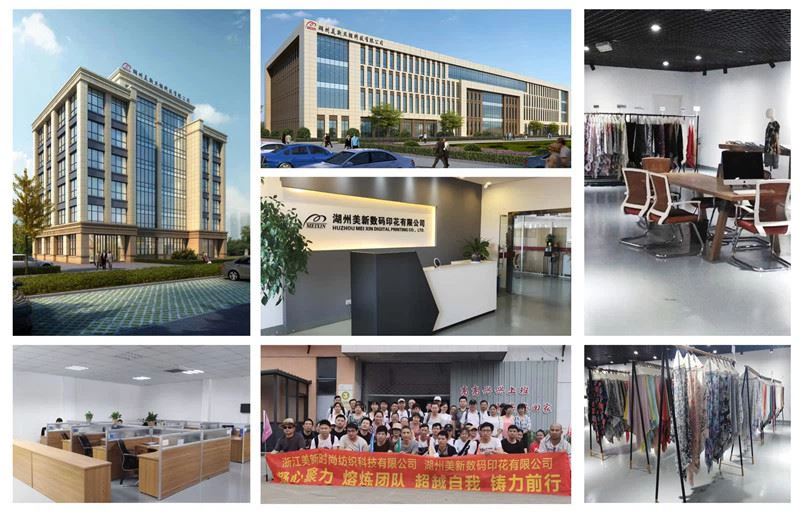
Our company was established in September 2008, having been specialized in digital printing, pattern designing, colour separating and mass production for many years. We master huge advantages in manufacturing and producing various printed fabrics made of silk, cotton, wool, rayon, tencel, ramie, linen, polyester, nylon, lint and so on.


FAQ
Q: What are the benefits of yarn dyed fabric?
Q: In which season we can wear yarn dyed fabric?
Q: Which fabric is commonly Yarn dyed fabric?
Q: Why is yarn dyed fabricss important in fabric?
Q: What are the impacts of yarn dyed fabricss?
Q: What is the difference between yarn dyed and fabric dyed?
Q: What are yarn dyed fabricss swatches called?
Q: Can you dye yarn without heat?
Q: What is the difference between top dyed and yarn dyed?
Q: What is the easiest yarn to dye?
Q: What is the basic knowledge of dyeing?
Q: Why do yarns need to be prepared before dyeing?
Q: Does silk dye work on cotton?
Q: What does yarn dyed cotton mean?
Q: What is the hardest color to dye clothes?
Q: What is spun dyed yarn?
Q: Can you dye 100% cotton yarn?
Q: What happens when you dye colored fabric?
Q: What happens when you dye a striped shirt?
Q: How do you set dyed yarn?
Fill your sink/basin with cold water.
Make your your yarn or finished piece is completely under the water.
Add 1 cup of distilled white vinegar to the water and swish it around.
Let it soak for 30-40 minutes.
Rinse your yarn or project to get rid of that lovely vinegar smell!
We're professional yarn-dyed fabrics manufacturers and suppliers in China, specialized in providing high quality products and service. We warmly welcome you to buy high-grade yarn-dyed fabrics at competitive price from our factory.