


Why Choose Us
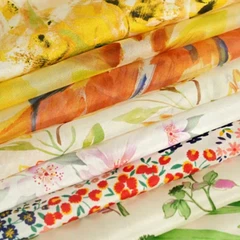
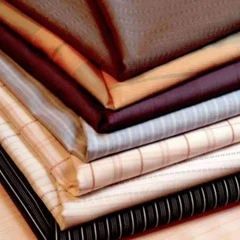
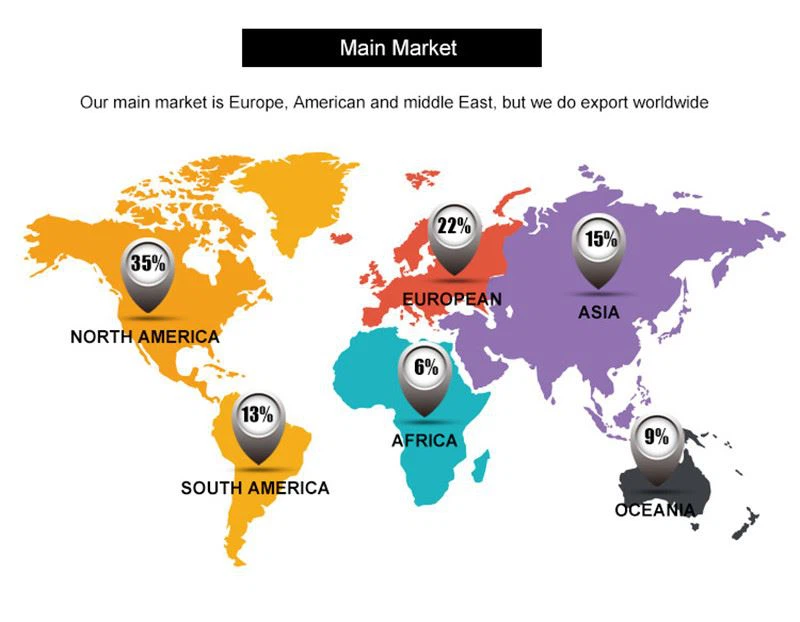
Our company having been specialized in digital printing, pattern designing, colour separating and mass production for many years. Our products have been exported to more than 50 countries/regions and we have won a great reputation both at home and abroad.
Quality
We are committed to providing our clients with top-quality dyeing services. We use only the best materials and techniques to ensure that your fabrics come out looking vibrant and true to color.
Expertise
Our team of dyeing professionals has years of experience in the industry. We have the knowledge and skills needed to help you achieve your desired results.
Variety
We offer a wide range of dyeing services to meet the needs of our clients. Whether you need to dye a small amount of fabric or a large batch, we have the resources to get the job done right.
Sustainability
We are committed to reducing our impact on the environment. We use eco-friendly dyeing techniques and strive to minimize waste throughout the dyeing process.


What is Silk Fabric
Silk is a natural fiber known for its luster, shine, strength, and durability, and it has a long trading history across the world. Silk is the epitome of luxury due to its high cost to produce, soft feel, and elegant appearance, and it is thus a popular textile in high-end and couture fashion design.
What are the Benefits of Silk Fabric
Silk’s reputation as a prestigious fabric arose from its super soft hand-feel and sophisticated look. Silk Fabric has remained a top choice for pillowcases, duvets, sheets, accessories, and much more. Silk’s reputation as a prestigious fabric arose from its super soft hand-feel and sophisticated look. With its smooth, lustrous texture and fine, wrinkle-free appearance, silk has remained a top choice for pillowcases, duvets, sheets, accessories, and much more. Silk Fabric is luxurious silk shell and 100% Mulberry silk fill, makes for a truly sumptuous slumber.
Another reason silk stands out is due to its natural origins. Silk is a 100% natural fiber obtained from the cocoons of silkworms. To harvest silk, the filaments are softened and unwound before being woven together to create silk threads. The lustrous quality of Silk Fabric is also naturally derived, because the protein of silk fibroin gives textiles a luminous luster under light.
Another great feature of silk is that it’s naturally temperature regulating, meaning it's perfect for keeping you both cool in the summer and comfortable during winter. Because it's made from thin, lightweight natural fibers, silk allows for better air circulation than synthetic material, and is ideal for tempering body heat. This quality makes Silk Fabric exceptionally breathable (even superior to cotton!) with good moisture-wicking capabilities.
Though it’s fine appearance gives the illusion of delicateness, Silk Fabric is actually one of the strongest natural fibers available. Because these filaments bond to themselves and adhere together, silk has great tensile strength and is extremely durable, so it’s less likely to fray or pull apart — even after years of use.
Silk Fabric is a fabulous option for those with allergies and sensitivities, as it’s one of the most hypoallergenic fabrics available. Stemming from its natural origins as a protective layer, silk repels dust mites and resists bacteria and mold. Silk Fabric are also long and non-abrasive — meaning there’s no risk of skin irritation or dermatitis occuring when the fabric does brush up against you.
Compared to other textiles like cotton, Silk Fabric absorbs less moisture from your skin while you sleep. Furthermore, Silk Fabric is also a great choice for those who suffer from acne and skin inflammation, as the fabric locks in hydration all while being naturally antibacterial, cooling, and comforting on the skin.
Because Silk Fabric helps your skin retain its natural moisturizing factors, Silk Fabric is also thought to have anti-aging properties. The smooth texture of silk causes less friction on the skin’s surface and won’t leave any impressions behind, keeping premature aging and creasing at bay.
Beyond its skin-friendly qualities, Silk Fabric is also an excellent choice when it comes to hair care and maintenance. The smooth surface of a mulberry Silk Fabric pillowcase helps prevent breakage and frizz, as your tresses encounter less resistance when you move during your sleep.
How Is Silk Made?
The process of making silk is called sericulture, and it involves harvesting silkworms for the material.
Larvae are fed mulberry leaves.
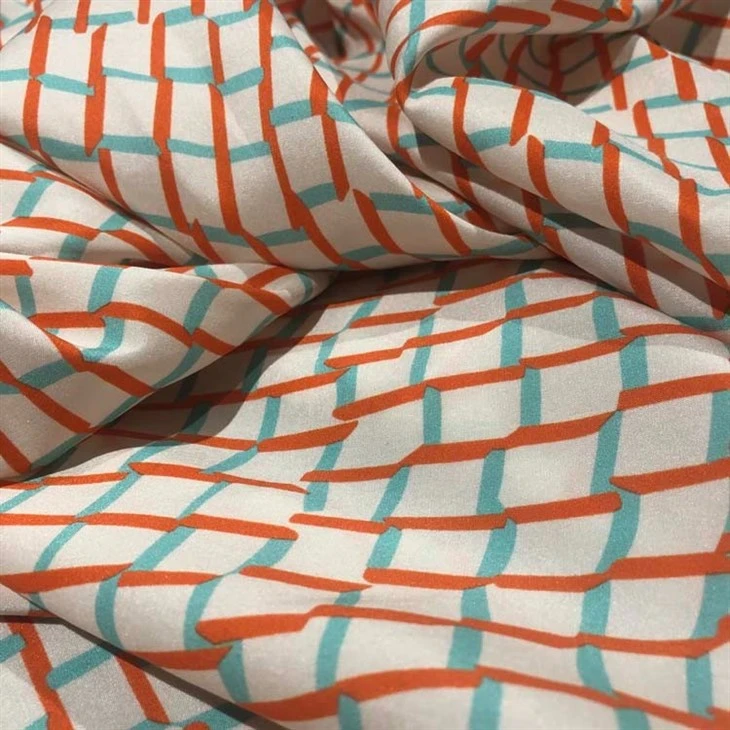
After they have moulted several times, they spin a cocoon. The silk solidifies upon contact with air. This process takes about 2 to3 days.
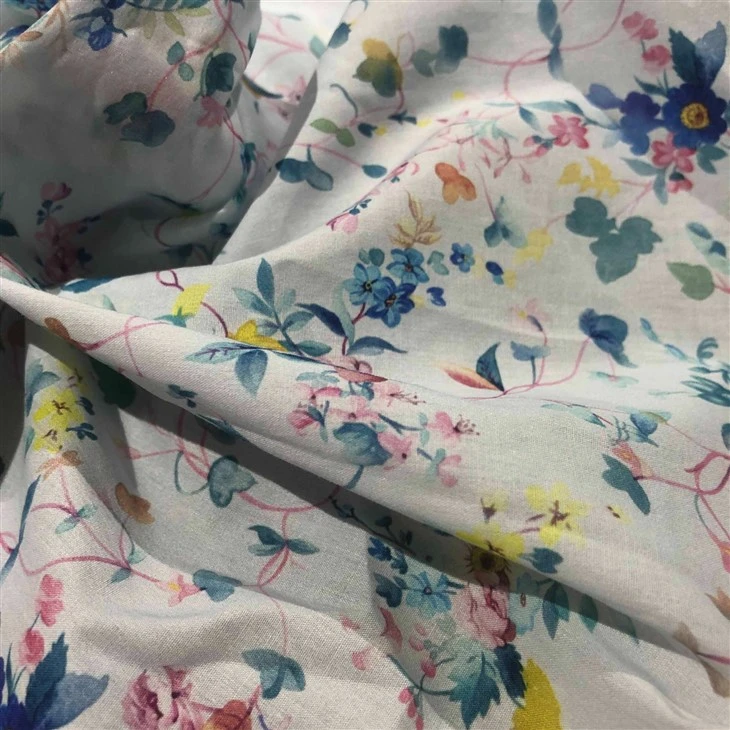
Once the cocoon is formed, it is dropped into a pot of boiling water effectively killing the pupae. The silk filament is extracted by brushing the cocoon. The raw silk is woven or knit into a fabric or spun into a yarn.
What Is the History of Silk Production?
The earliest example of silk fabric comes from China when it was used in a child’s tomb to wrap the body. China dominated the silk industry for many years, and initially the material was reserved for the Emperor. The Chinese used silk as a form of currency, and cost was measured in lengths of silk. The Silk Road, which connected industries from the East to the West, was a popular trading route named for the material, and that region of the world, still maintains the name today.
Eventually silk production moved to Korea, Thailand, India, and Europe. The material finally made its way to the U.S. in the seventeenth century. King James I introduced silk to the colonies, but many of the country's early settlers couldn't afford the material. Patterson, New Jersey and Manchester, Connecticut both became centers of silk production in the United States, until the trade and production was disrupted by World War II, leading to the creation of synthetic fabrics like nylon.


How do you know if a fabric is genuine silk?
Determining the authenticity of silk fabric can be important when shopping. Here are some indicators to help you identify authentic silk:
Look at the sheen: Silk has a natural sheen that distinguishes it from other fabrics. It reflects light differently, giving it a distinctive sheen.
Examine the texture: Silk has a smooth, soft texture that feels luxurious to the touch. Run your fingers over the fabric to check its characteristic silkiness.
Perform a burn test: Take a small piece of fabric and carefully burn it. Genuine silk will give off a smell similar to burnt hair and leave a fine ash. Synthetic fabrics, on the other hand, usually give off a plastic-like smell and melt rather than burn.
Check for irregularities: Silk fibers are natural and may have slight irregularities, such as variations in thickness or occasional shedding (thicker sections). These imperfections are normal and can be a sign of authenticity.
Is There a Reason Silk Fabric is Expensive
There's a reason why Silk Fabrics are so expensive, they are naturally derived and carefully extracted from silkworm cocoons. Silk Fabric's production is limited due to factors such as climate and availability of high-quality mulberry leaves, the time it takes silkworms to complete their life cycle, and resulting high prices.

8 Primary Uses for Silk Fabric
Silk is primarily used in garments and household items, but it is also employed in unexpected ways, such as in bicycle tires and in medicine. Silk is great for summer clothing because of its absorbent nature and how it wicks moisture, and it is also a staple for winter wear since it has low conductive properties. Here are some examples of the material’s many uses.
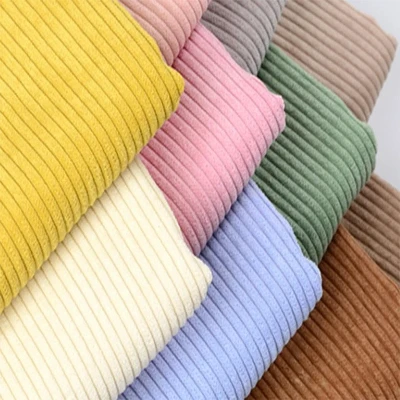
Bridal and formal wear
Silk is a staple of many gowns and dresses thanks to its beautiful drape, and the long floats of yarn on one side create a dressy and lustrous appearance.
Ties and scarves
The material’s strength and nuances with color make it ideal for accessories. Many high-end ties are made from heavy silk, which allows for tightly woven patterns, rich colors, and durable material. Silk is also a great material for scarves for both decoration and for warmth.
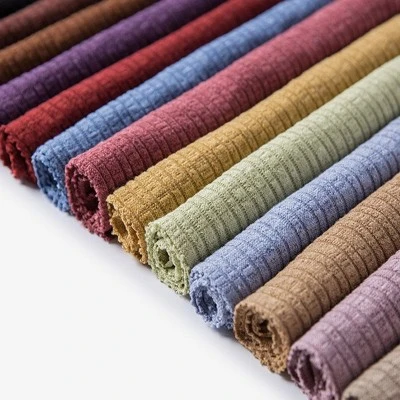
Bedding
Silk sheets are the height of luxury and the material’s softness and absorbent nature makes it truly shine in the bedroom.
Parachutes
Silk was originally used for parachutes for its strength and elastic properties; however nylon is more commonly used today.
Upholstery
Silk is used to cover furniture and pillows, and thanks to its strength and durability, it provides a long-lasting covering.
Wall hangings
Decorative wall hangings are often woven from silk, as the material is beautiful and dynamically reacts with colors and dyes.
Bicycle tires
The material is sometimes used in the tire’s casing because of its lightness, durability, and flexibility. Since silk can be expensive, the casings can also be made from nylon and cotton.
Surgical sutures
Since silk is a natural material, it has amazing uses in medicine. The material does not cause an autoimmune response and cannot be absorbed by the human body.

What are the characteristics of silk?
Luxurious texture
silk fabric has a soft, smooth texture that feels wonderful against the skin. It is often described as the epitome of comfort and elegance.
Natural sheen
Silk has a natural luster that gives it a radiant appearance. This sheen contributes to its aesthetic appeal.
Breathability
Silk is a breathable fabric that helps regulate body temperature. It keeps you cool when it’s hot and retains heat when it’s cold.
Hypoallergenic
Silk is hypoallergenic and gentle to the skin. It is less likely to cause irritation or allergic reactions compared to synthetic fabrics.
Durable
Despite its delicate appearance, silk is a strong and durable fabric that can withstand regular use if properly cared for.
How to Maintain Silk Fabric:
-
To rinse and to rid of excess moisture
-
Instead of wringing it like normal fabrics
-
Roll in a towel
-
Then hang to dry
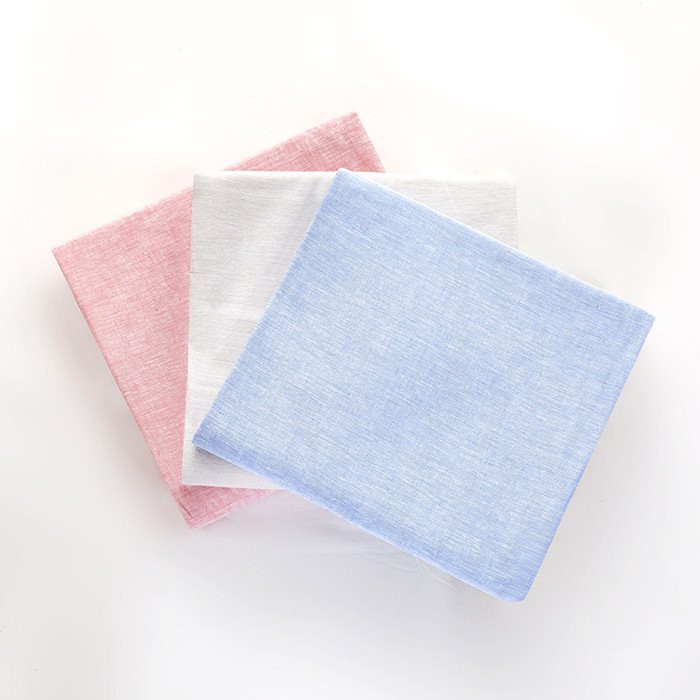
What are the Applications of Silk Fabric
Silk Fabric is soft smooth, lustrous and holds a prestigious place among textile fibres and known as ‘Queen of Textiles’

Clothing:
Silk Fabric is usually used to make shirts, suits, ties, shirts, underwear, pajamas, jackets and other clothing
Bedding
Home bedding products, such as quilts, pillowcases, sleeping bags, etc., are also made of Silk Fabric
Small decorations
Scarves, gloves, handkerchiefs, and shawls also have a good market
Environmental decoration
Such as carpets, furniture, curtains, valances, cushion covers and wall-mounted sofa covers, etc., the market is also very good
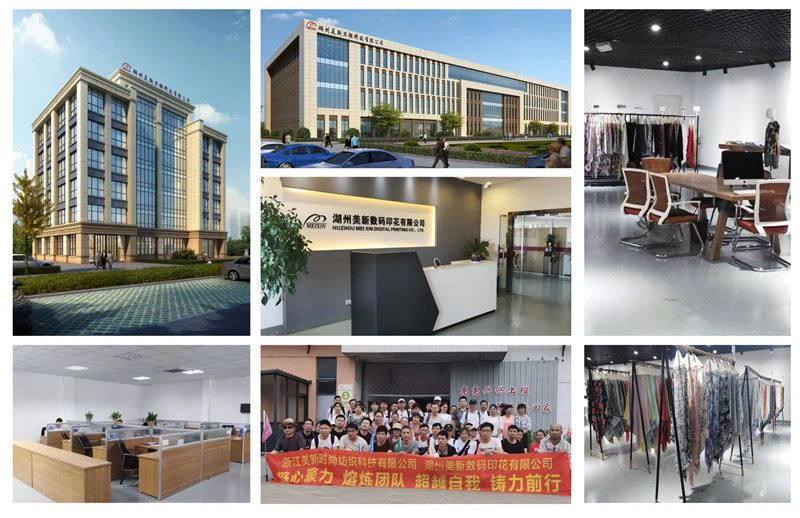
Our Factory
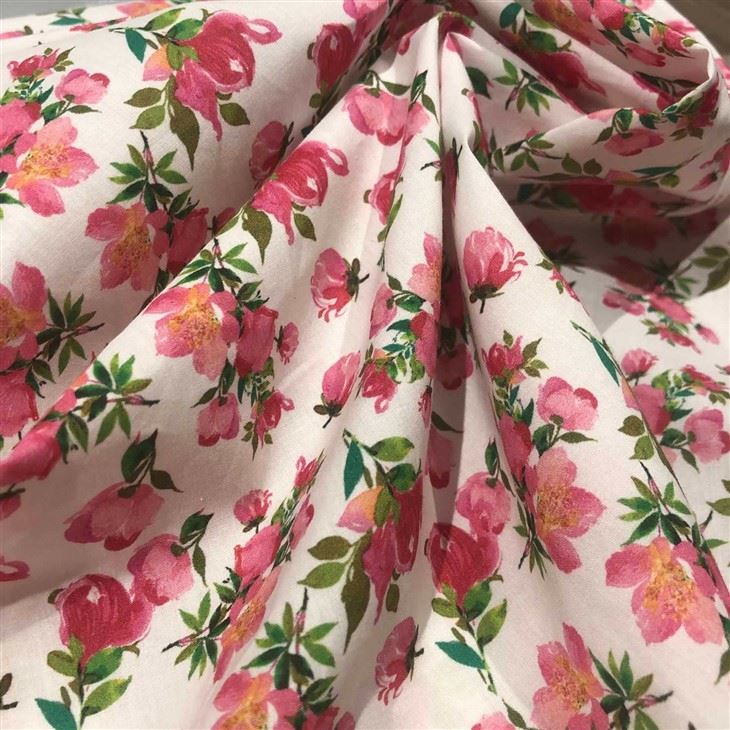
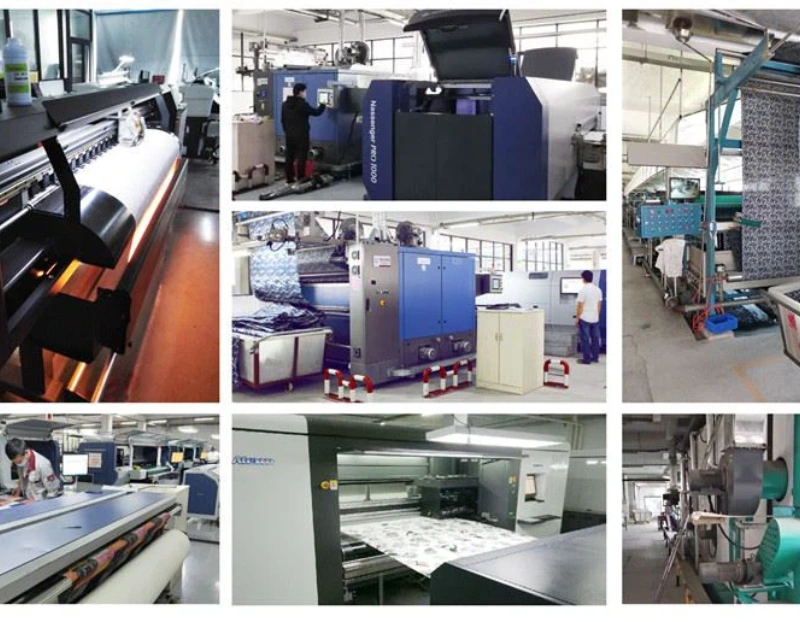
Our company was established in September 2008, having been specialized in digital printing, pattern designing, colour separating and mass production for many years. We master huge advantages in manufacturing and producing various printed fabrics made of silk, cotton, wool, rayon, tencel, ramie, linen, polyester, nylon, lint and so on
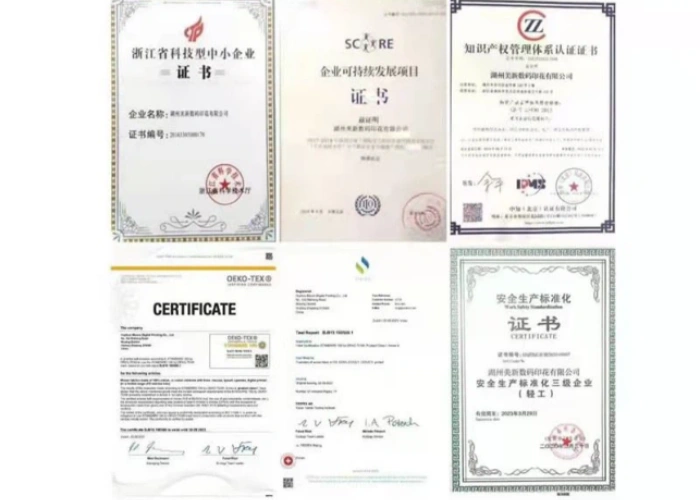
Certifications
FAQ
Q: What do you need to know about silk?
Q: How long does silk fabric last?
Q: Does silk get worn out?
Q: Does silk shrink every time you wash it?
Q: What material is better than silk?
Q: What makes silk special?
Q: Does silk run hot?
Q: What makes silk so attractive?
Q: Does silk come from the worms mouth?
Q: Does all silk come from worms?
Q: Can you wash silk with vinegar?
Q: Can silk be ironed?
Q: What happens if you put 100% silk in the washing machine?
Q: Can you put silk in the dryer?
Don't put silk items in the dryer. Heat can damage delicate silk fibers. If the dryer is absolutely necessary to use only 'air' setting for 15 minutes or less with NO fabric sheets or dryer balls. Remove sheets before completely dry.
Q: Does water ruin silk?
Q: What can ruin silk?
Q: What fabric is better than silk?
Q: Does silk burn or melt?
Q: What are 5 facts about silk?
Q: Does silk deteriorate over time?
We're professional silk fabric manufacturers and suppliers in China, specialized in providing high quality products and service. We warmly welcome you to buy high-grade silk fabric at competitive price from our factory.