


Why Choose Us
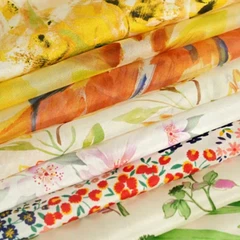
Our company having been specialized in digital printing, pattern designing, colour separating and mass production for many years. Our products have been exported to more than 50 countries/regions and we have won a great reputation both at home and abroad.
Quality
We are committed to providing our clients with top-quality dyeing services. We use only the best materials and techniques to ensure that your fabrics come out looking vibrant and true to color.
Expertise
Our team of dyeing professionals has years of experience in the industry. We have the knowledge and skills needed to help you achieve your desired results.
Variety
We offer a wide range of dyeing services to meet the needs of our clients. Whether you need to dye a small amount of fabric or a large batch, we have the resources to get the job done right.
Sustainability
We are committed to reducing our impact on the environment. We use eco-friendly dyeing techniques and strive to minimize waste throughout the dyeing process.
-
![80s Cotton Poplin Soft Fabric]()
-
![Silk Cotton Blended Fabric]()
-
![Georgette Silk Light Soft Fabric]()
-
![Silk Linen Georgette High Quality Fabric]()
-
![Silk Wool Blended Fabric]()
-
![Stretch Habotai Silk Fabric]()
-
![Grid Silk Cotton Blended Fabric]()
-
![Glittery Plain Weave Fabric]() Glittery Plain Weave FabricIt is a glossy glittery plain weave fabric. Totally made of polyester. With satiny creamy face, good hang down feeling, silk luster and good third dimension, it is the finest fabrics for fashionread more
Glittery Plain Weave FabricIt is a glossy glittery plain weave fabric. Totally made of polyester. With satiny creamy face, good hang down feeling, silk luster and good third dimension, it is the finest fabrics for fashionread more -
![Light-weight Sustainable Single Tencel Jacquard]() Light-weight Sustainable Single Tencel JacquardStyle: plain weave. Type: inelastic fabric. Composition: 20%N, 80%TEL. Specification: N20D*TEL40S. Width: 140cm.read more
Light-weight Sustainable Single Tencel JacquardStyle: plain weave. Type: inelastic fabric. Composition: 20%N, 80%TEL. Specification: N20D*TEL40S. Width: 140cm.read more -
![Soft High Quality Polyester Fabric]() Soft High Quality Polyester FabricMaterial:93% Polyester 7%SPANDEX. Pattern:Dyed. Width:150cm. Weight:125GSM. Style: clear. Process: knitted, knitted. Model: Rayon Spandex. Use: Sportswear, Dress, Bags,.read more
Soft High Quality Polyester FabricMaterial:93% Polyester 7%SPANDEX. Pattern:Dyed. Width:150cm. Weight:125GSM. Style: clear. Process: knitted, knitted. Model: Rayon Spandex. Use: Sportswear, Dress, Bags,.read more -
![Durable and Wear Resistant Dying Fabric]() Durable and Wear Resistant Dying FabricProduct name: environmentally friendly clothing materials. Material:100% polyester. Pattern:Dyed. Width:135cm. Weight:280gsm. Style: Sportswear. Thickness: heavyweight. Features: Active,read more
Durable and Wear Resistant Dying FabricProduct name: environmentally friendly clothing materials. Material:100% polyester. Pattern:Dyed. Width:135cm. Weight:280gsm. Style: Sportswear. Thickness: heavyweight. Features: Active,read more -
![Sustainable Denim Fabric]() Sustainable Denim FabricMaterial:Tencel / Nylon 62% Lyocell Tencel 38% Nylon. Feature:Organic, Sustainable. Technics: woven. Width:53.5. Weight:133gsm 4.7/4.6 oz. Feature:Breathable, Anti-UV, Organic, Sustainable.read more
Sustainable Denim FabricMaterial:Tencel / Nylon 62% Lyocell Tencel 38% Nylon. Feature:Organic, Sustainable. Technics: woven. Width:53.5. Weight:133gsm 4.7/4.6 oz. Feature:Breathable, Anti-UV, Organic, Sustainable.read more


What is Sustainable Fabrics
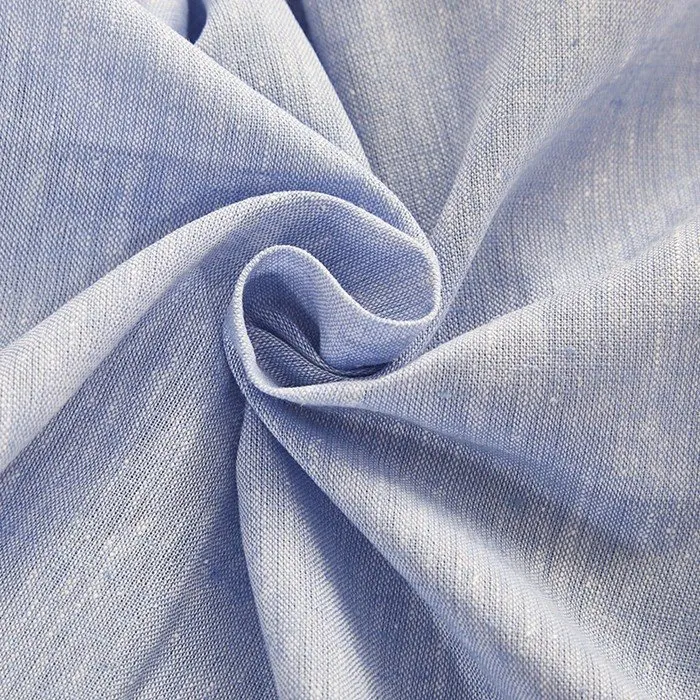
Sustainable fabrics are textiles that are produced in an environmentally and socially responsible manner. These fabrics are made using processes that minimize their impact on the environment, conserve natural resources, and provide fair wages and safe working conditions for workers. Sustainable fabrics can be made from a variety of materials including organic cotton, recycled polyester, hemp, bamboo, and linen. They are often certified by third-party organizations that verify that they meet certain environmental and social standards. Using sustainable fabrics helps to reduce the negative impact of the fashion industry on the environment and society.
What are the Benefits of Sustainable Fabrics
-
Understand the basics of Sustainable Fabrics
-
Reduced environmental impact
-
Improved sustainability
-
Reduced carbon footprint
-
Safe for human health
-
Better for animal welfare

What are the Criteria for Sustainable Fabrics

Made up of at least 95% organic fibre

Not treated with bleach, formaldehyde or any other toxic substances

Coloured with nontoxic dyes

Produced in a mill or factory that enforces strict social and environmental standards
Several Natural Materials for Sustainable Fabrics

Organic cotton
Organic cotton is one of the most natural fabrics. It is grown without pesticides and synthetic fertilizers and is processed without chemicals. From an ecological perspective, organic cotton cultivation uses 62% less energy and 88% less water than conventional cotton

Recycled cotton
Recycled cotton is produced from post-industrial or post-consumer waste. Used by many slow fashion brands, it means your favorite cotton underwear or sustainable jeans are made from industrial waste or other recycled cotton clothing

Organic cannabis
Hemp is one of the most environmentally friendly natural fabrics. High yield and good for soil growth. It is considered a carbon-negative feedstock, absorbing carbon dioxide from the atmosphere. Because it is difficult to grow, hemp tends to be slightly more expensive than other sustainable organic fabrics

Organic linen
Linen fabric is ultra-light and breathable, the only difference is that linen is extracted from the flax plant. It requires minimal fertilizers, pesticides and irrigation to grow. The production of linen is not high, but it is the most popular fabric from linen clothing to linen bed sheets and other textiles

Organic bamboo
Bamboo is one of the fastest growing plants on earth. Mechanical processing is a more environmentally friendly method, but it only accounts for a small part of the market.
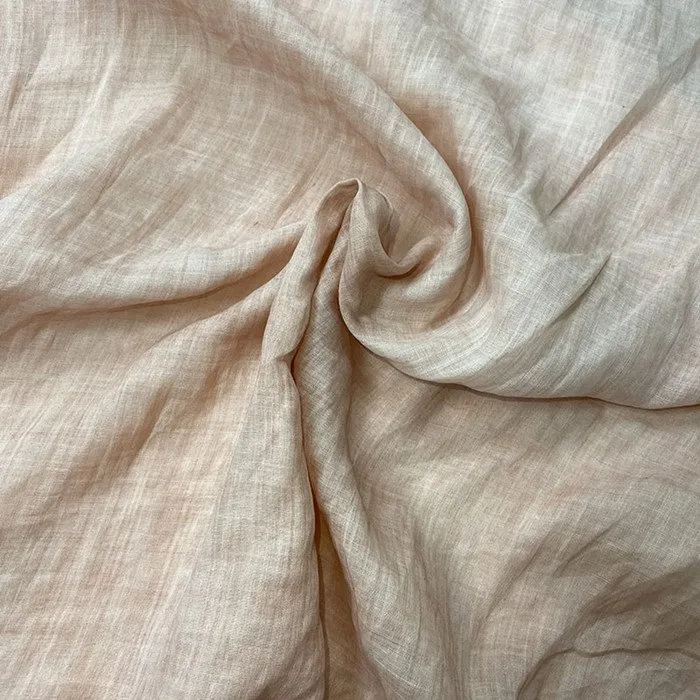
Cork cloth
Cork is harvested from cork oak trees by scraping off the bark. When a cork oak regrows its bark, it uses more carbon dioxide than most types of trees. Once harvested, cork can be left to dry in the sun and transformed into Sustainable Fabrics using only water
Application of Sustainable Fabrics
Sustainable fabrics in textile engineering technology can be highlighted from the following application scenarios
Sustainable production of sustainable fabrics
By using more environmentally friendly and energy-saving production processes, materials and equipment, we can achieve sustainable production of sustainable fabrics and reduce environmental pollution and waste of resources
Sustainable fabrics recycling
By developing new recycling technologies, we can recycle and reuse waste sustainable fabrics, reduce landfills and incineration, and reduce the burden on the environment
Sustainable fabrics green design
By designing environmentally friendly sustainable fabrics and selecting environmentally friendly materials, we can reduce the harm of sustainable fabrics to the environment, increase the service life of sustainable fabrics, and reduce waste generation
Sustainable fabrics ecological printing and dyeing
By using environmentally friendly printing and dyeing technologies and materials, we can reduce water and soil pollution and improve the quality and added value of sustainable fabrics
Sustainable fabrics supply chain sustainability
By optimizing supply chain management, reducing logistics and energy costs, improving resource utilization efficiency, and achieving sustainable development of the sustainable fabrics supply chain
Extensive use of sustainable fabrics
The application scenarios of sustainable development technology of textile engineering technology are very wide, involving the production, design, printing and dyeing, supply chain and other aspects of sustainable fabrics
How to Clean and Care for Sustainable Fabrics
We all know that clothes require care and maintenance when they become dirty due to various reasons such as dust, stains, sweat, etc. No one likes to wear dirty clothes. Stains and dirt left on unwashed Sustainable Fabrics are the cause of bacterial and fungal growth
1. Good heat resistance, can be hand washed or machine washed, but not suitable for chlorine bleaching
2. White clothes can be washed at high temperature with a strong alkaline detergent to have a bleaching effect
3. Do not soak, wash Sustainable Fabrics in time
4. It is advisable to dry in the shade and avoid exposure to the sun to prevent dark-colored clothes from fading. When drying in the sun, turn the inside out
5. It is recommended to wash separately from other colors of Sustainable Fabrics
6. The soaking time should not be too long to avoid fading of Sustainable Fabrics
7. Do not wring it out, as it may easily cause the Sustainable Fabrics to deform
Types of Sustainable Fabrics
Aside from natural fibers like cotton and wool, what are sustainable textiles typically made from? Current sustainability trends include:
-
Blended fabrics utilizing fiber technology that reduces synthetic microfiber pollution.
-
Advanced recycled and biodegradable fibers, such as Econyl, which is made from synthetic waste like fishing nets and industrial plastic.
-
PFC-free hydrocarbons incorporated into the fiber, allowing for the retention of functionality for up to 80 washes — longer than conventional coatings.

The fast fashion industry, which is the second-largest polluter of water and the third-largest polluter overall, thrives on producing quick, cheap virgin materials, like polyester, spandex, viscose, and nylon. Used to make low-quality clothing, textiles like these make up 8% of municipal waste, and take decades or more to biodegrade, releasing microplastics into the environment during the process.

We can define sustainable fabric in three ways. Firstly, we need to ask where the material comes from. Does it come from stripping raw materials, damaging farming and agricultural practices, or from an animal? Or were the materials sustainably grown or recycled?
Secondly, we need to know whether the raw materials need any processing before they can be used to make fabrics. Some examples of sustainable fabric processing include weaving, knitting or using non-toxic dyes. However, many fabrics require bleaching, colouring with carcinogenic dyes, and chemical processing. One common example of the latter is the use of formaldehyde to prevent fabrics from wrinkling.

Our Factory
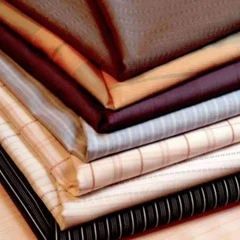
Our company was established in September 2008, having been specialized in digital printing, pattern designing, colour separating and mass production for many years. We master huge advantages in manufacturing and producing various printed fabrics made of silk, cotton, wool, rayon, tencel, ramie, linen, polyester, nylon, lint and so on.


Certifications

FAQ
Q: How can fabrics be sustainable?
Q: Are Sustainable Fabrics more expensive?
Q: Are natural fabrics sustainable?
Q: What does sustainable clothing look like?
Q: What is the sustainable fabric that doesn't wrinkle?
Q: Can synthetic fabrics be sustainable?
Q: What is more eco friendly than cotton?
Q: What fabrics decompose the fastest?
Q: Is there sustainable polyester?
Q: Is organic cotton more sustainable?
Q: What is sustainable stretch fabric?
Q: What color is sustainable fashion?
Q: What are the R's of sustainable fashion?
Q: Will sustainable fabrics reduce environmental impact?
Q: How do you know if fabric is sustainable?
Formaldehyde. Formaldehyde is a Volatile Organic Compound (VOC), meaning that it can be released into the atmosphere.
Azo dyes.
Heavy metals.
Organotin compounds.
Chlorobenzenes.
Q: What fabric is least sustainable?
Q: What Fabrics Are Biodegradable?
Q: How long can Sustainable Fabrics clothing last?
Q: How much do Sustainable Fabrics cost?
Q: Are natural fabrics sustainable?
We're professional sustainable fabrics manufacturers and suppliers in China, specialized in providing high quality products and service. We warmly welcome you to buy high-grade sustainable fabrics at competitive price from our factory.