


Why Choose Us
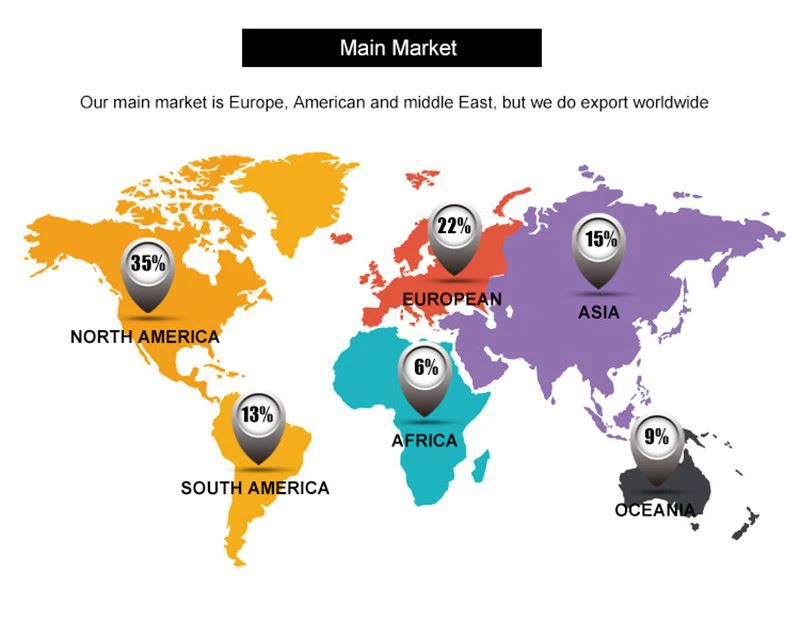
Our company having been specialized in digital printing, pattern designing, colour separating and mass production for many years. Our products have been exported to more than 50 countries/regions and we have won a great reputation both at home and abroad.
Quality
We are committed to providing our clients with top-quality dyeing services. We use only the best materials and techniques to ensure that your fabrics come out looking vibrant and true to color.
Expertise
Our team of dyeing professionals has years of experience in the industry. We have the knowledge and skills needed to help you achieve your desired results.
Variety
We offer a wide range of dyeing services to meet the needs of our clients. Whether you need to dye a small amount of fabric or a large batch, we have the resources to get the job done right.
Sustainability
We are committed to reducing our impact on the environment. We use eco-friendly dyeing techniques and strive to minimize waste throughout the dyeing process.


What is Digital Printing Fabrics
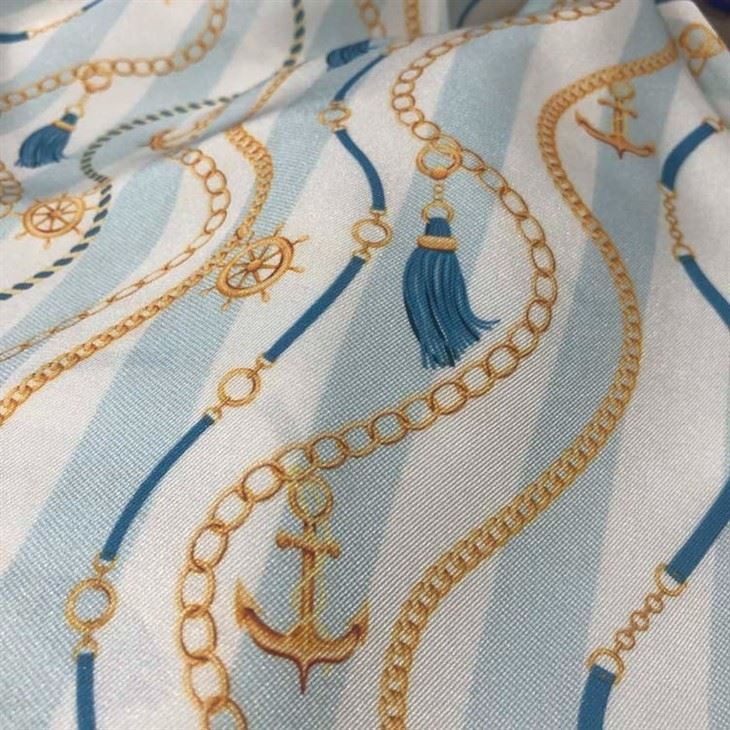
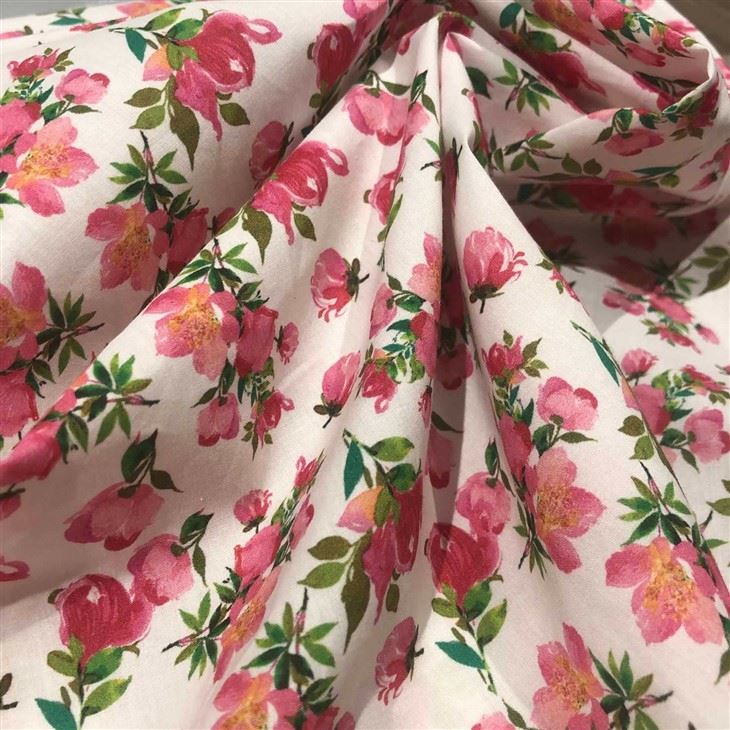
Digital printing fabrics refer to fabrics that have been printed using digital textile printing technology. This process involves printing high-resolution images directly onto fabrics using specialized inkjet printers. The printer delivers ink droplets onto the fabric surface, creating the desired design. Digital printing technology allows for high-quality, detailed designs and faster turnaround times compared to traditional methods of textile printing. It is ideal for small to medium-sized print runs, for printing complex and detailed patterns, and for customizing fabrics with unique designs. Digital printing fabrics are used in a variety of applications, including apparel, home décor, and signage.
What fabrics can you digital print on?
We can print on cotton, polyester, rayon, silk, linen, nylon, wool, etc., as well as blends with a maximum width of "60". There are however various reasons why any specific fabric may not perform well on our printer.
Advantages of Digital Printing Fabrics

01
Ink Usage
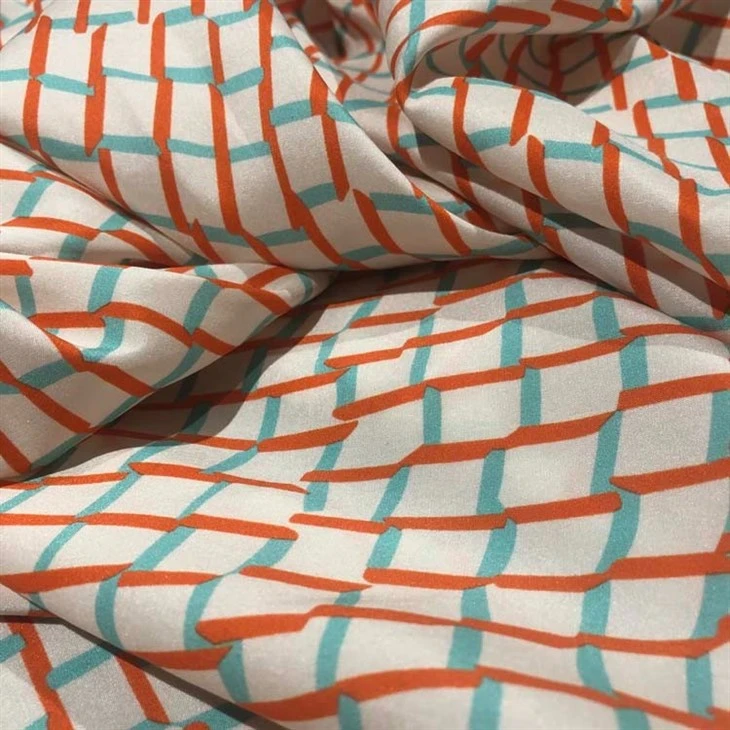
Digital printing fabrics use specially formulated inks that are designed to bond with the fibers of the fabric, resulting in a vibrant and long-lasting print. These inks are available in a wide range of colors and can produce stunning gradient effects.

02
Printing Heads
The printing heads on digital printing fabrics are designed to disperse ink droplets onto the fabric in a precise and controlled manner. These heads can be adjusted to produce different print densities, allowing for fine details and a high level of accuracy.
03
Short turnaround time
Digital textile printers are more efficient than traditional printing methods because they do not require the use of screens or printing plates. This means a much faster turnaround time for print orders without incurring high set-up costs.

04
Environmental friendly
Digital textile printing machines are more environmentally friendly than traditional printing methods. They require less water and energy to operate, which means they have a lower carbon footprint.
Basic Characteristics of Digital Printing Fabrics
1. There is no need to spend expensive plate making costs. You only need to transfer your favorite pattern to the thermal transfer printing master. After a little processing by the printing master, the printing paper can be produced for transfer printing.
2. Since there is no need for plate making, digital printing fabrics eliminate some unnecessary processes, and the sample production speed is accelerated. Generally, samples can be produced in 2-3 days.
3. The number of colors is unlimited, and the patterns and colors of digital printing fabrics are fuller and more delicate.
4. The materials used in digital printing fabrics are environmentally friendly and pollution-free, which can completely eliminate the worries caused by environmentally unqualified products.
5. The color fastness is excellent. As long as your fabric is mainly made of polyester, the color fastness to light and washing can reach level 4 or above.
6. Digital printing fabrics are soft to the touch and have good breathability.
Component Classification of Digital Printing Fabrics
1. Cotton: Digital printing fabrics are mainly cotton, but reactive dye inks can also be used in linen, silk, etc.;
2. Chemical fiber: Digital printing fabrics based on chemical fiber, produced with dispersed dye-sublimation dye ink and chemical fiber dispersed direct-injection digital;
3. Blended fabrics: Some blended digital printing fabrics such as T/C, fabrics that cannot be operated with reactive, dispersed, and acid dye inks alone, are printed with paint inks;
4. Nylon and wool: Digital printing fabrics based on nylon and wool are produced with acid dye inks, and silk can also be used.

Applications of digital printing fabrics in different fields
Textile industry
Digital printing fabrics are the most widely used in the textile field, mainly used in clothing, home textiles, footwear, bags, etc. Digital printing fabrics have high production efficiency, lower costs and more design options, and are also more environmentally friendly.
Home decoration
Digital printing fabrics are also increasingly used in the field of decoration. It can be used in interior decoration, wallpaper, carpets and printing. Digital printing fabrics can achieve diversification of decorative designs while ensuring the clarity and fineness of patterns and images.
Home decoration
The application of digital printing fabrics in the home field cannot be ignored. It can be applied to curtains, bedding, tablecloths, carpets, etc. To produce products with various colors and patterns. At the same time, digital printing fabrics can be customized to meet the needs of different customers.
Car decoration
Digital printing fabrics are also widely used in the automotive field, mainly used in automotive interior printing, armrest boxes and door interior panels. Digital printing fabrics can not only improve the interior quality of cars, but also provide customers with more personalized choices.
Popular culture
Digital printing fabrics can also easily print some currently popular movies, animations, hip-hop and other pictures or popular elements on some digital printing fabrics items according to the popular trends.
Imaging consumer goods
In the field of art, digital printing fabrics are also widely used. Artists apply digital printing technology to media such as fabric, canvas and paper to produce a variety of unique works of art.
Gift packaging
The domestic gift market has become a popular trend. Digital printing fabrics can print your own photos or favorite pictures, icons, and text on gift packages to get rid of the stereotyped appearance of gifts and better reflect the value of the gift and the originality of the gift giver.
Professional proofing
One-time molding, no plate making is required, some materials of digital printing fabrics can be used repeatedly, and the cost is low; computers can directly typeset, modify, and produce, which is simple to operate, highly efficient, and significantly reduces costs.

How to Maintain Digital Printing Fabrics
1. Turn your clothes inside out before putting in them in the washing machine.
2. Wash your t-shirts with cold water.
3. Avoid using bleach or fabric softeners.
4. Do not iron T-shirt pants.
5. Avoid dryers at all cost.
6. Wash similar clothes together.
What fabrics are suitable for digital printing?
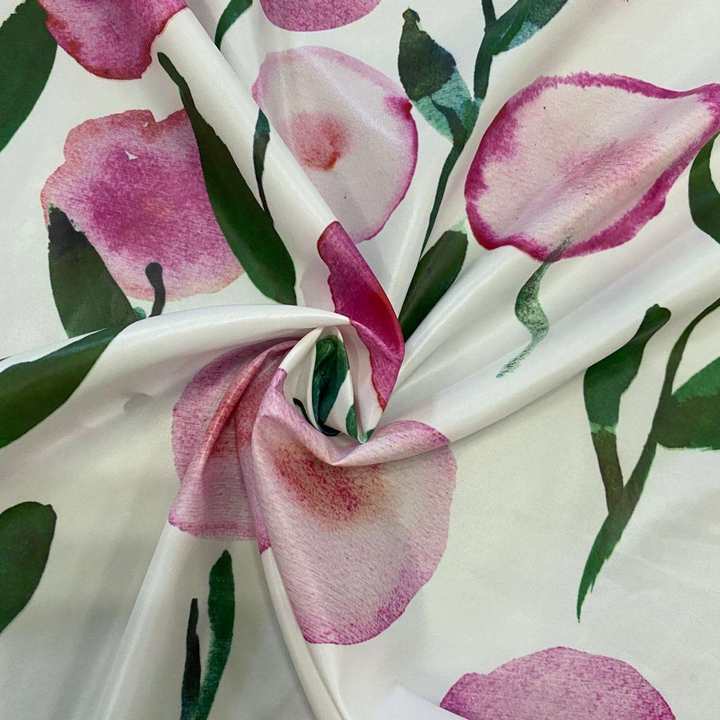
01.Cotton fabric
02.Linen/Ramie fabric
03.Mixed/blended fabric
04.Wool and Silk
05.Viscose/tencel/modal/rayon/lyocell
06.Polyamide fabric
There are few steps before we really move on to digital printing on fabrics and printing is only a part of the whole process. And we will get to do it step by step.
There are two proved and successful methods of digital printing
Direct ink-jet printing on fabric
Sublimation digital printing on fabric
Our Factory
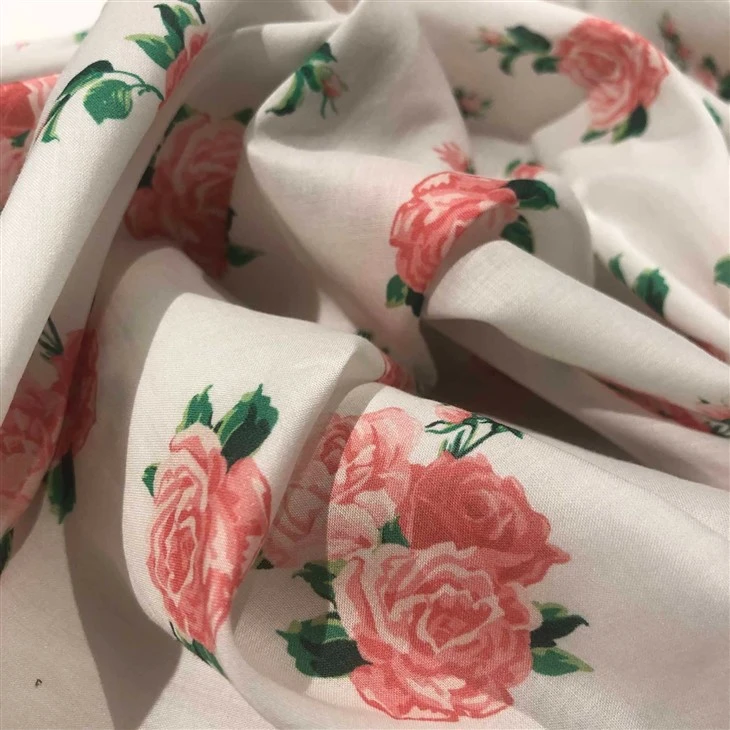
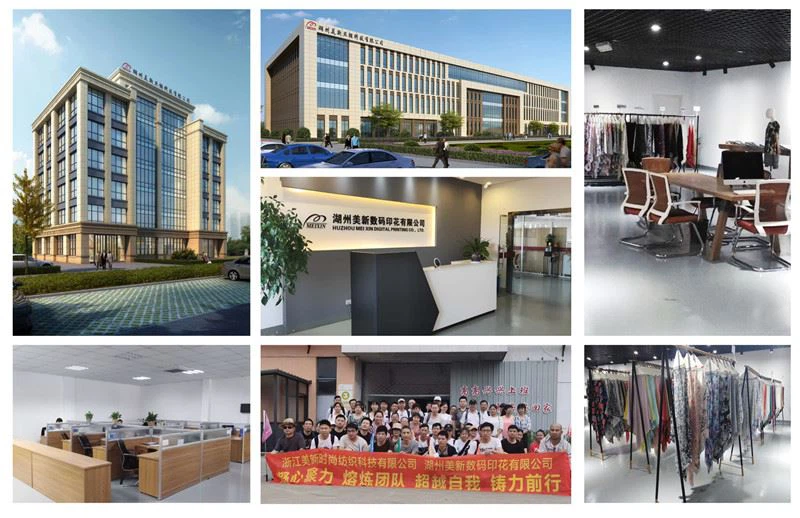
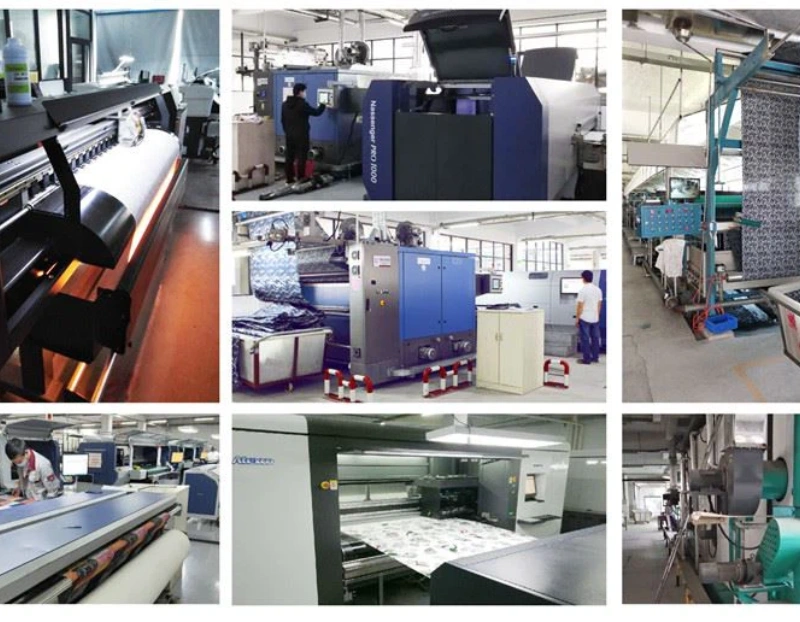
Our company was established in September 2008, having been specialized in digital printing, pattern designing, colour separating and mass production for many years. We master huge advantages in manufacturing and producing various printed fabrics made of silk, cotton, wool, rayon, tencel, ramie, linen, polyester, nylon, lint and so on.
Certifications
FAQ
Q: Can you digital printing fabrics on any fabric?
Q: How do you care for digital printing fabrics?
Q: Which fabric is suitable for digital printing fabrics?
Q: What is the process of digital printing fabrics?
Q: How many types of digital printing fabrics?
Q: Is digital printing fabrics direct to garment?
Q: How many washes does digital printing fabrics last?
Q: How long does digital printing fabrics last on clothes?
Q: Does digital printing fabrics last?
Q: What are the pros and cons of digital printing fabrics?
Q: Can you wash digital printing fabrics?
Q: What materials are needed for digital printing fabrics?
Q: What dye is used in digital printing fabrics?
Q: What is pretreatment of cotton fabric for digital printing fabrics?
Q: What are the techniques of digital printing fabrics?
Q: Can you digitally print on linen?
Q: Is digital fabric printing better than screen printing?
If you need a small number of prints, digital printing is the way to go because there is often a lower minimum order requirement.
If you want a professional, high-quality print, digital printing is the best option.
Q: How digital printing fabrics are a more sustainable design practice?
Q: What is the difference between sublimation and digital printing on fabric?
Q: What dye is used in digital printing?
We're professional digital printing fabrics manufacturers and suppliers in China, specialized in providing high quality products and service. We warmly welcome you to buy high-grade digital printing fabrics at competitive price from our factory.