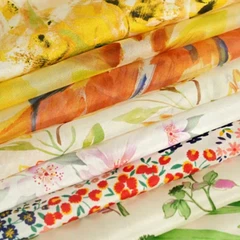
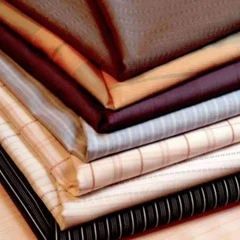
Printed fabric means Fabric printing in its most basic form refers to the process of embedding color into a material. The purpose of painting is to make it permanent and thus resistant to washing and rubbing. Printing along the length of the material may include repeating designs. Printed fabric outperforms printed rigid substrates and printed vinyl, both of which are less expensive. There are many types of printed textiles in the textile industry. In this article, ZHEJIANG ZHIMEI/MEIXIN will introduce you to several important printed fabrics that are in high demand in today's market.
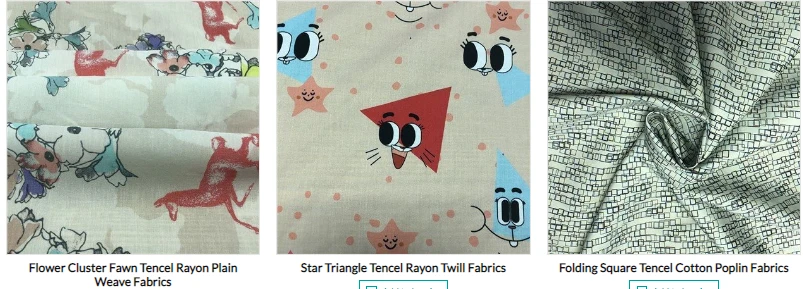
Types of printed fabrics
1. Hand printed printed cloth
The materials are printed on the table, with four layers of cloth underneath the main printed fabric to absorb excess color. Lay the fabric out on a table and start the printing process by dipping the block into the color wheel. The printed fabric is then dried in the sun, which helps to set the color on the fabric. Finally, the dry printed fabric is ready for laundering.
Hand printing is one of the earliest forms of printing in India. The hand-carved blocks are then stamped onto the cloth. This type of printing is very time consuming, but the results are stunning and unique. Sarees, scarves and other items are often printed using block printing. The colors of handblock printing are often very bright and vibrant. ZHIMEI/MEIXIN has one of the widest collections of handmade block printed fabrics.
2.Digital printing fabric
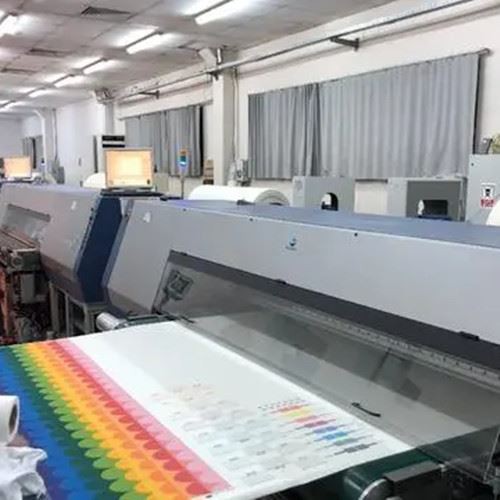
Digital fabric printing technology is a method of producing fabric designs directly from a computer. Digital textile fabric printing is an interesting method and tool suitable for bulk fabric modification. Digital textile printing is an inkjet printing technology that allows printers to print high-quality graphics on a variety of materials.
3. Hot stamping printed fabric
The method of transferring foil from a paper roll to cloth using heat and glue is called foil printing. There are two methods of foil printing. The design is first printed on fabric or paper with an adhesive and then pressed with foil using a heated steel roller. The second method is to print on foil and then press the foil onto cloth or paper. Of course, using a hot steel roller or iron, the foil is similar to cooking foil, but it's called foil foil. It's actually a removable layer of foil on a plastic base, not paper.
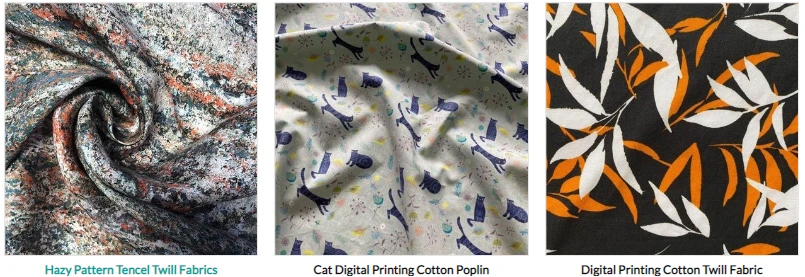
4. Reactive printed fabrics
The reactive printing process effectively embeds color into the fabric. Therefore, it can be washed multiple times without fading. It provides higher color yield, resulting in more vibrant color vibrancy and rubbing fastness. This procedure is suitable for most natural fabrics, especially natural or protein fibers such as silk, cotton, wool, cashmere, linen, hemp, etc. Polymer-based or synthetic materials are not suitable for reactive printing. When a reactive printing paste is applied to a fabric, the color forms a bond with the cellulose fibers, helping to withstand laundering and rubbing and creating fastness properties.
5. Screen printing fabric
Screen printing on fabric is an excellent method for enhancing the appearance of fabric and creating any type of design to suit your requirements. You'll need plenty of space in addition to allowing some time for soaking and staining, but the results will be well worth the effort.
If you want to buy large quantities of printed textiles at reasonable prices, ZHIMEI/MEIXIN is your best choice. Check out our latest range of printed fabrics. We provide the latest fabrics and styles to major countries such as Australia, allowing you to choose the fabrics and styles that best suit your budget or taste.