One of the three elements of clothing, fabric is the soul of clothing. Fabric can not only interpret the style and characteristics of clothing, but also directly affect the color and shape of clothing.
Compared with styles and colors, the knowledge of fabrics is the most basic foundation. It is essential to understand the properties and classification of fabrics. Below we will briefly introduce the modeling characteristics of different materials and fabrics and their application in clothing design.
Soft fabric
Soft fabrics are generally light and thin, with good drape, smooth modeling lines, and natural stretch of clothing outlines.
It mainly includes knitted fabrics and silk fabrics with scattered fabric structures and soft and thin hemp yarn fabrics. Soft knitted fabrics often use linear and concise shapes in clothing design to reflect the beautiful curves of the human body; silk, hemp yarn and other fabrics are more loose and pleated, showing the flow of fabric lines.
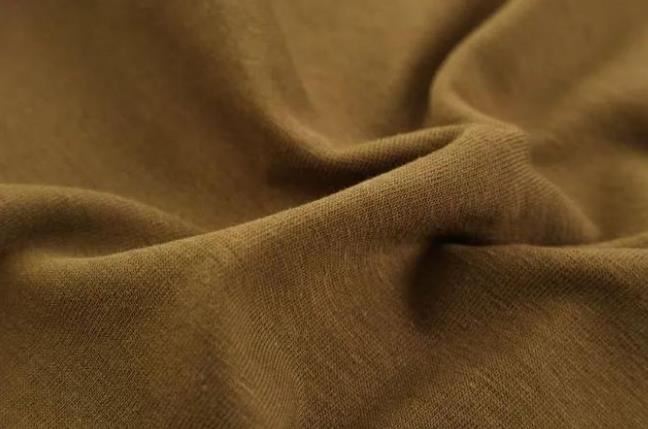
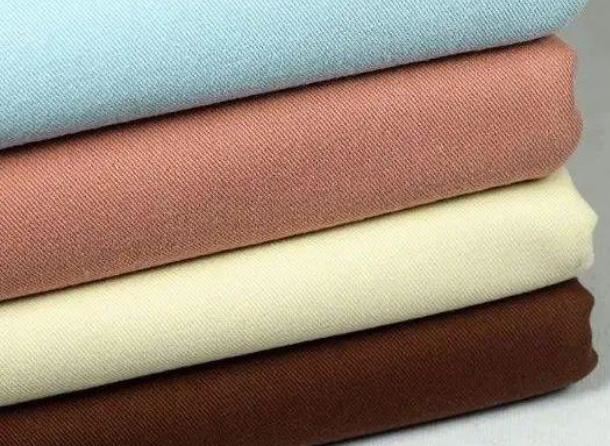
Cool fabric
The cool fabric has clear lines and a sense of volume, which can form a plump clothing outline.
Commonly used are cotton, polyester-cotton, corduroy, linen, and various medium-thick wool and chemical fiber fabrics.
Glossy fabric
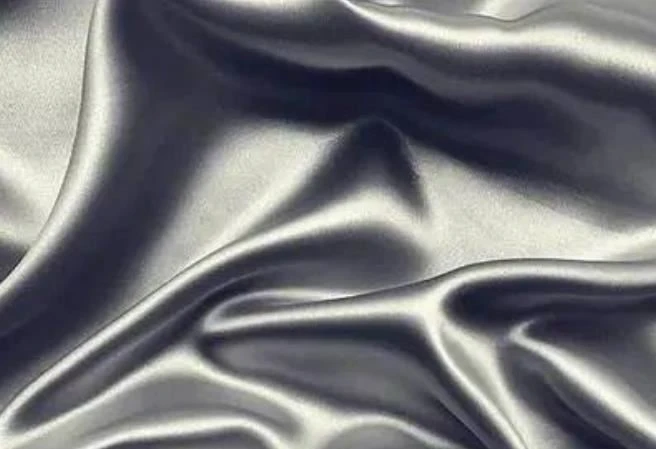
Glossy fabrics are smooth and reflective, including satin-structured fabrics.
Most commonly used in evening gowns or stage costumes, it produces a gorgeous and dazzling strong visual effect.
Heavy duty fabric
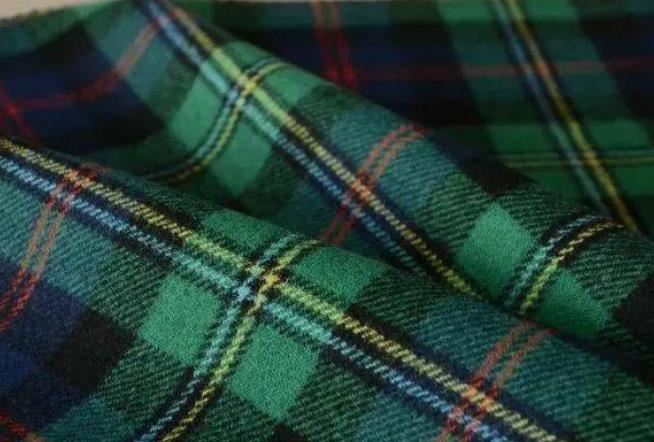
Heavy duty fabrics are thick and scratchy for consistent styling, including a wide range of heavyweight woolen and quilted fabrics.
The fabric has a sense of physical expansion, and it is not appropriate to use too many pleats and accumulations. In the design, the A-shaped and H-shaped shapes are the most appropriate.
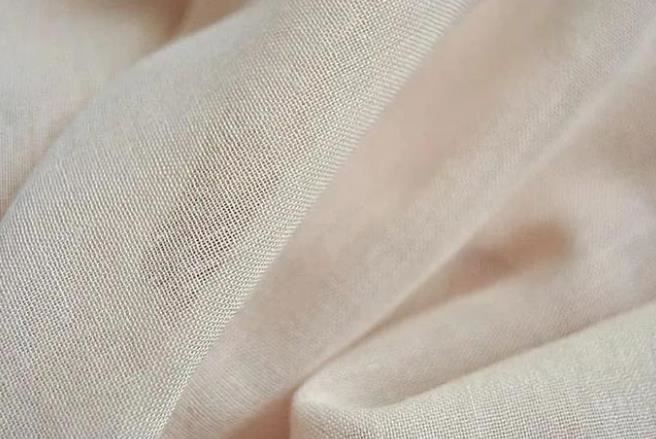
Transparent fabric
The transparent fabric is light and transparent, with an elegant and mysterious artistic effect.
Including cotton, silk, chemical fiber fabrics, etc., such as georgette, satin silk, chemical fiber lace, etc. In order to express the transparency of the fabric, the natural and plump lines are often used, and the H-shaped and circular cone-shaped design shapes are rich in changes.