



For centuries, cloth has played an irreplaceable role in society. Textiles serve various functions: blankets, bedding, clothing, decor, tools, rope, and so on.
It is only natural for humankind to tap into different resources to create precious fabrics.
Some choose natural fibers like denim and wool from sustainable resources like plants. Some prefer synthetic fabrics like polyester, which are artificial.
Linen and cotton are popular fabrics for making chic or casual apparel, comfortable bedding, and many more.
When deciphering between linen vs. cotton, there are a few characteristics to consider. It might include price, breathability, durability, sustainability, and overall look.
The two eco-friendly fabrics derive from natural fibers and have similar properties. It is why many become confused between the two beautiful textiles.
However, each material thrives in a specific condition. Linen sometimes seems more attractive than cotton, as it is more durable and breathable.
In other aspects, such as price and accessibility, cotton might prevail yet with a high cost to the environment.
While both fabrics carry their benefits, you might wonder which textile works best to fulfill your needs.
We decided to provide a comprehensive comparison between the two exquisite textiles. It might help you decide whether linen is a suitable fabric for you.
What is Cotton?
Cotton is a soft and practical textile made from the cotton plant from the genus Gossypium. This plant depends on ample sunlight and rain to flourish.
The cotton plant produces a fluffy fiber encased in the boll. Think of the boll as a green protective layer that covers the soft and round clumps of cotton.
They harvest the soft fibers and spin them into yarn. Afterward, they weave the thread to form a smooth, sturdy cotton fabric.
Cotton comes in wide varieties, such as Organic, Upland, Egyptian, and Pima. Each type of cotton fabric has its charm.
Organic cotton means the plant grows in a safe, chemical-free environment. No pesticides, chemicals, and genetic modifications occur when growing organic cotton.
Most cotton production uses Upland cotton, which has short fibers. This type of cotton grows in the beautiful lands of Mexico, the Caribbean, and Central America.
Egyptian cotton possesses striking qualities, such as resistance to tearing, wrinkling, and fading. The plant Gossypium barbadense grows only in the Nile River Valley in Egypt.
Lastly, Pima cotton possesses longer and softer fibers than the average cotton plant.
Many people consider this type of cotton as an excellent fabric, worth every penny. Like Egyptian cotton, Pima cotton is durable and wrinkle-resistant.
What Are The Characteristics and Uses Of Cotton?
Since cotton is a soft and natural fiber, it is widely known for its comfort. Due to the spaces between each thread, cotton quickly absorbs moisture from the skin. People feel effortlessly fresh and clean when wearing a cotton top.
When it comes to caring for cotton clothing and fabric, you need not worry. Cotton is durable and becomes stronger when it is wet. As such, it is entirely safe to machine-wash your cotton pieces.
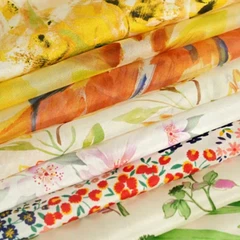
Have you ever wondered why many cotton pieces come in vibrant prints and colors? It is because of cotton's ability to absorb color. It makes the fabric easy to dye different patterns and designs.
As previously mentioned, cotton possesses many uses. For years, people have used cotton to create elegant fabrics. Most bedsheets, curtains, towels, rugs, and other home essentials contain cotton in their blends.
One of the most popular uses of cotton is in clothing. It is no surprise, as cotton is soft and comfortable, making it the material people tend to use for every day.
Cotton is also easy to mass-produce, which makes it even more accessible to people of all shapes and sizes.
What is Linen?
People in hot and humid climates prefer the breathability that linen offers. However, what exactly is linen? How is this fantastic material produced?
The flax plant, which you can find in numerous destinations around the globe, produces strong fibers which make up the linen.
People cut or pulled the flax plant from the ground to obtain this kind textile. Afterward, they remove the seeds from the plant by winnowing or ripping them out. They take great caution in separating the plant stock from its fibers.
Once they obtain the long, sturdy fibers of the flax plant, they spin them into yarn. Eventually, they weave the thread into the beautiful fabric we know as linen.
People can weave linen into different complex and beautiful patterns. To distinguish between the different types of weaving techniques, you can look at the differences in weaving techniques. The most common types are sheeting, loosely, plain, and damask.
Most charming linen apparel comes from sheeting linen. It offers a soft, untextured surface and a close weave. Sheeting linen provides a higher thread count, making it extra durable.
Loosely woven linen is a highly-absorbent linen fabric, perfect for sanitary napkins and reusable diapers. The only downside is its durability, as the loose weaving technique compromises its strength.
A more robust alternative is plain-woven linen, which produces hand, dish, and bath towels, and clothing! This linen is loosely woven and can withstand regular wear and tear.
Lastly, an intricately woven type of linen is Damask linen. Due to its gleaming designs, people often use Damask linen to decorate homes, restaurants, and more.
What Are The Characteristics and Uses of Linen?
Linen is widely known for its strength and durability, lasting not even several years, but several decades! Some suggest that this textile is the second strongest fabric next to silk.
Moreover, linen possesses a remarkable ability to absorb twenty percent of its weight in moisture. It can draw the heat away from your body on a hot summer day, keeping you cool.
However, linen can also give you blissful warmth during the cooler months. The fabric has good heat conductivity, making it an excellent option for drapery, bedding, and clothing in warm and cold climates.
As linen comes from a natural fiber, it avoids possible allergic reactions. You can enjoy wearing a chic linen dress without worrying about triggering cumbersome allergies.
Furthermore, linen resists both static effects and abrasions. The more you wash and care for linen, the softer it gets.
In the past, Egyptian civilizations used linen to wrap the bodies of their deceased beloved. Linen was also a popular textile for making homeware cloth and apparel.
From the example above, you might say that linen is a fabric with a captivating history.
You might wonder, "Do people still use linen today?"
Absolutely! People use linen apparel, bedding, and homeware material to this day.
Destinations with hot climates use this fabric for its breathability. This fabric is naturally ivory/sand color and helps reflect the sun's burning rays.
Main Differences Between Cotton and Linen
Cotton and linen come from natural sources, which might make people think they are similar in most aspects.
However, for categories like appearance and breathability, there are apparent differences between the two.
They are both gorgeous fabrics that work well for different purposes. It all depends on your desired look, feel, and other properties.