


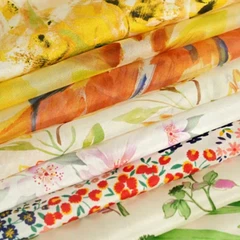
The future of fashion? Digital Fabric Textile Printing
As the world becomes increasingly digital, fashion is starting to move from traditional production methods to digital fabric printing. This emerging technology has the potential to revolutionize the way clothing is made and could see the revival of traditional clothing brands. By using digital printing on fabric, manufacturers can create high-quality garments using less fabric. The technology could eventually replace traditional manufacturing methods, making it easier and cheaper for designers to create unique clothing styles.
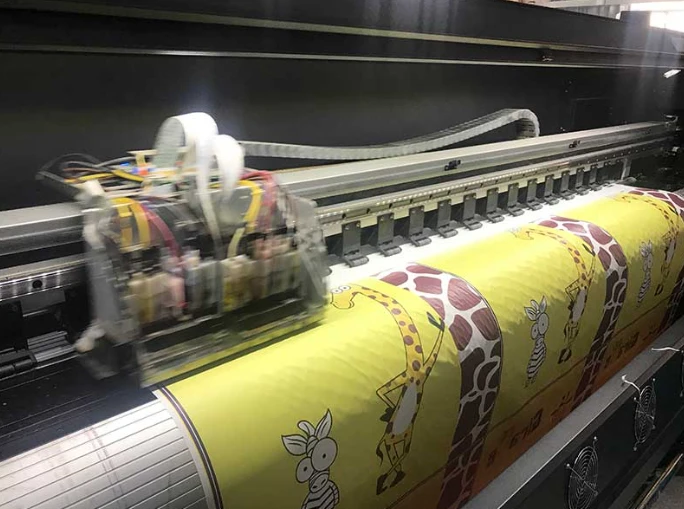
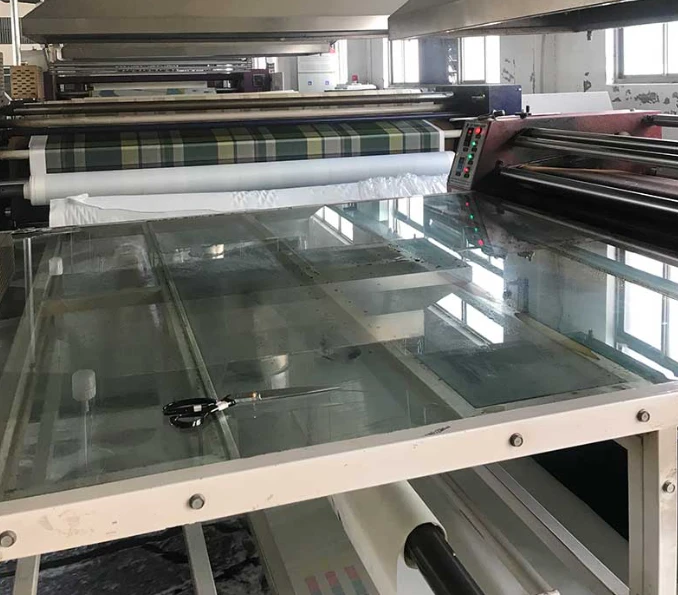
Transforming Textile Printing with Digital Technology
The textile printing market has been undergoing transformation in order to adopt new innovative technologies. These new technologies are being developed to meet the needs of a new generation of consumers, brands and supply chains. This massive industry is undergoing a transformation with growing commercial value in apparel and accessories. To appeal to a new generation of shoppers shopping in traditional brick-and-mortar stores as well as online retailers, brands need to adapt their marketing strategies. As the digital age becomes an established economic fact, brands and mills will need to adapt in order to remain competitive.
Eliminate Excess Inventory and Warehousing
The transition to digital printing can also mean improved inventory planning, resulting in less overstock and less need for warehousing space. As textile service providers move from longer runs to shorter, more varied and targeted runs, they are better able to match their offerings with customer requirements. Now that apparel can be made on demand rather than bulk orders, businesses can spend less money on inventory that may or may not be sold. As a result of these capabilities, a new category of fabric suppliers has emerged called on-demand manufacturers. These follow a business model known as "buy-activate-manufacture," where the production process doesn't start until an order is placed and associated fees are paid. Raw materials are stored in warehouses; finished products are not stored there.
mass personalization
Over the past few years, new players have continued to enter the space, and with the help of simple online tools, it is easy to start selling custom clothing on a commercial level. This is due to continuous advances in innovative printing technologies and workflows that shorten supply chains. These are in line with the ever-expanding application of e-commerce throughout the apparel industry. Some vendors reflect this trend by emphasizing individual needs within communities with similar values and, more broadly, catering to the masses by offering a variety of products that can be individually customized to their specifications.
Digital fabric printing is an environmentally friendly
Digital fabric printing is an environmentally friendly option that can be used to produce high quality fabrics with minimal waste. The resulting fabrics are often more durable and comfortable than traditional fabric printing, and can be customized to specific needs. The process will be much faster, requiring fewer people, less time and less water. The concept of sustainability is gaining popularity and it will become the standard by which all companies, big or small, will be judged. Today, companies are more aware than ever of the environmental practices they can implement, such as reducing carbon dioxide emissions and the amount of waste they generate. During the analog printing process, any excess dyes and chemicals must be removed and discarded. This printing method requires the use of environmentally harmful substances, as well as washing the screen between prints, which wastes water and energy. Printing with digital pigment inks is an extremely environmentally friendly printing method as no environmentally harmful water or chemicals are used at any point in the process.
A time-saving alternative to traditional textile printing
British digital fabric printing offers a time-saving alternative to traditional textile printing methods. Digital fabric textile printing uses computer software to create a design on fabric, which is then printed using a printer. This method is faster and more accurate than traditional textile printing methods.
Automated solution reduces chance of error
Digital fabric textile printing has come a long way since its inception. The technology allows textiles to be printed without the use of traditional printers. In contrast, digital fabric textile printers use various sensors and software to create patterns on fabric. Processes that used to be extremely tedious and error-prone are now done by machines with little or no human intervention. This makes fabric printing more reliable and less prone to errors. Thanks to this new technology, excellent image quality can be achieved, improving the finished product. This has indirectly led to an increase in the demand for textiles. Digital printing technology is used to produce textile products with high resolution and fine details.
in conclusion
With the continuous advancement of digital technology, traditional textile printing companies have begun to study the potential advantages of digital printing. These advantages include shorter lead times, more customization options, enhanced design aesthetics, more efficient workflows, and lower production costs. Advances in digital printing offer novel solutions that increase the adaptability and speed up the production time of textile printed products. This new technology has been adopted by the fashion industry for its advantages. As the industry continues to evolve, we can expect digital fabric textile printing to improve the efficiency and workflow of textile printing!