


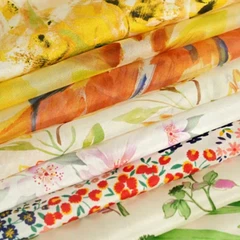
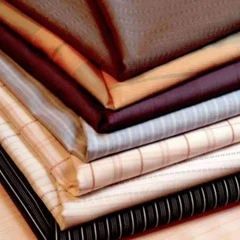
Natural fibers, such as cotton, linen, wool, and silk, are commonly dyed using the following types of dyes:
1. Reactive dyes
Reactive dyes are dyes that react chemically with fiber molecules to form covalent bonds that firmly attach the dye to the fiber. Such dyes are commonly used to dye natural fibers such as cotton, linen, and silk. The advantages of reactive dyes are bright colors, high color fastness, and they can be dyed at low temperatures, which reduces damage to the fiber.
2. Direct dyes
Direct dyes can be directly adsorbed on the fiber without the use of a mordant. Such dyes are commonly used to dye natural fibers such as cotton and linen. The advantages of direct dyes are that the dyeing process is simple, and the dyed fabric has good color fastness and softness.
3. Acid dyes
Acid dyes are dyes that are dyed under acidic conditions and are commonly used to dye natural fibers such as wool and silk. The advantages of acid dyes are bright colors, high color fastness, and they can be dyed at lower temperatures.
4. Natural dyes
Natural dyes are dyes extracted from plants, animals, or minerals and are commonly used to dye natural fibers such as cotton, linen, wool, and silk. The advantages of natural dyes are that they are environmentally friendly and safe, and the dyed fabrics have unique colors and textures.
Conclusion
The types of dyes suitable for natural fibers mainly include reactive dyes, direct dyes, acid dyes and natural dyes. The choice of dye depends on the specific dyeing needs, fabric type and personal preference.