


What are the differences between dyed weaving, dyed spinning and printing and dyeing?
Yarn-dyed
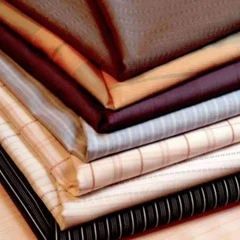
1. Yarn-dyed weaving refers to a process in which yarn or filament is dyed first, and then the colored yarn is used for weaving. The colors of yarn-dyed fabrics are mostly bright and bright, and the patterns are also distinguished by color contrast.
2. Multi-shuttle and dobby weaving are used when weaving yarn-dyed fabrics, which can interweave different fibers or different yarn counts into varieties with rich colors and clever patterns. Because yarn-dyed fabrics use colored yarns or patterned yarns and various tissue changes, poor-quality cotton yarns can still be woven into beautiful varieties.
3. Disadvantages of yarn-dyed weaving: Due to the large losses in yarn dyeing, weaving, finishing and other processes, the output is not as high as that of white gray fabric, so the investment cost is high and the technical requirements are high.
Color spinning
1. Color spinning is a professional term in the textile industry, which refers to yarns made by uniformly mixing colored fibers of different colors. Dyed fabrics are a process in which fibers such as cotton and linen are dyed in advance and then woven into fabrics.
2. Its advantages are: coloring and spinning can be carried out continuously, uniform coloring, good color fastness, high dye uptake rate, short production cycle and low cost. It can color some highly oriented, non-polar and difficult-to-dye chemical fibers. Fabrics made of colored yarn have soft and plump color, strong layering and unique pitting effect, and are deeply loved by consumers.
the difference
Yarn-dyed – the yarn is dyed and then woven.
Dyed spinning - the fibers are first dyed, then spun, and then woven.
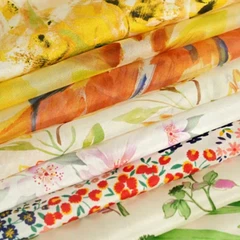
Printing and dyeing – the woven fabric is printed and dyed.
Dyed weaving can form effects such as stripes and jacquards. Of course, color spinning can also produce these effects. More importantly, one yarn can also have different color compositions, so the colors are more layered, and the dyeing process is more environmentally friendly. The color fastness of yarn-dyed fabrics is better than that of printed and dyed fabrics, and it is less likely to fade.