


What Is Digital Fabric Printing?
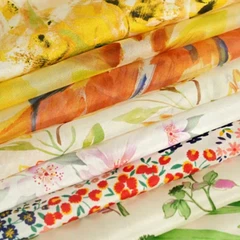
Digital printing is a modern method that utilizes digital inkjet technology to print richly colored patterns onto various types of fabrics. This technique allows for precise and effortless printing of any design onto textiles, representing one of the most promising advancements in the textile industry. Free from the color limitations or screen printing requirements of traditional methods, digital printing offers endless possibilities to meet the growing demand for printed textiles. It is even capable of producing 3D patterns and can be applied directly to garments such as T-shirts, shirts, and jeans, in addition to woven and knitted fabrics.
In recent years, digital fabric printing has gained widespread popularity due to its versatility, cost-effectiveness, and ability to produce high-quality, vibrant designs. It also offers greater flexibility in the scale and size of printing projects, enabling small-batch production of customized patterns. Moreover, compared to conventional printing techniques, digital fabric printing has a lower environmental impact as it reduces water consumption, energy use, and waste.

Types of Fabric Printers
1. Sublimation Printers
Dye-sublimation printing involves using specialized sublimation inks to print a design onto transfer paper. The ink, known as sublimation ink, turns from solid to gas when exposed to heat and pressure, bonding with the substrate to form a permanent image.
Sublimation transfer paper is a heat-resistant paper with a special coating that prevents bleeding or smudging during transfer. The resulting print is durable and resistant to cracking, fading, or peeling over time. It is well-suited for short runs and detailed designs.
2.DTG Printers
Direct-to-garment (DTG) printing uses inkjet technology to apply water-based inks directly onto the fabric. The process is relatively simple and does not require expensive setup.
DTG printing is ideal for small batches and custom orders since it can accommodate one-off designs without the need for screens or plates. The technology is well-established, and many proficient suppliers, including Huzhou Zhimei Textile Technology, offer high-quality full-color printing directly onto textiles.
3.DTF Printers
Direct-to-film (DTF) printing is a relatively new technology similar to DTG. It uses a specialized printer to apply designs onto a heat-transfer film, which is then pressed onto the fabric using a heat press.
DTF inks are typically made from finely ground pigments suspended in a liquid carrier, allowing them to be printed onto transfer film and later heat-pressed onto textiles. A thermoplastic polymer powder is often used to form a strong bond between the transfer film and the fabric.
DTF printing can produce high-quality images on various materials including cotton, polyester, and blends-especially effective for dark-colored fabrics. However, the process can be more time-consuming and involves multiple steps compared to DTG.
Printing on Different Fabrics
1. Silk
Printing on silk can be done through several methods including screen printing, digital printing, and dye-sublimation. Screen printing is a traditional technique that uses stencils to push ink through a mesh, while digital printing uses specialized inkjet printers to apply ink directly. Dye-sublimation uses heat and pressure to transfer dye into silk fibers. Each method has its strengths: digital printing offers versatility for complex designs, while sublimation provides vibrant colors and high durability.
2.Polyester
Polyester-a synthetic fiber often used in activewear, sportswear, and outdoor gear-is ideally printed using dye-sublimation. This heat-transfer process allows the ink to fuse with the fabric fibers, resulting in long-lasting and bright prints. While other methods like screen printing and DTG can also be used, they may not achieve the same durability or color intensity.
3. Cotton
Cotton, a natural fiber widely used in apparel, home textiles, and accessories, can be printed using methods such as screen printing, DTG, and heat transfer.
Screen printing yields high-quality results but can be costly and time-consuming for small projects. DTG printing is often considered the most suitable digital printing method for cotton. As a natural fiber, cotton readily absorbs water-based inks used in DTG, resulting in high-quality, durable prints. DTG also allows for printing multiple colors and complex designs in one pass, making it ideal for custom and small-batch projects.
Choosing the Right Printing Method

The choice of printing method depends on several factors including fabric type, desired durability, color vividness, design complexity, and order quantity. Selecting the appropriate technique is essential to ensure high-quality output that meets end-user requirements.
Sublimation, DTG, and DTF printers each offer unique advantages for printing on materials such as silk, polyester, and cotton. Understanding these technologies canhelp manufacturers and brands make informed decisions based on their specific needs.
Partner with a Professional Digital Textile Printing Manufacturer
If you are looking for a reliable partner for high-quality digital fabric printing, Huzhou Zhimei Textile Technology offers state-of-the-art production capabilities using advanced printers such as the Konica Minolta NASSENGER series. We specialize in customized woven fabric printing for fashion and home textiles brands, providing sustainable, efficient, and cost-effective solutions-from design to bulk production.

Feel free to explore our digital printing services and sustainable fabric collections. We welcome potential buyers and partners to contact us for development and collaboration opportunities.
