


Advantages and Disadvantages of Digitally Printed Fabrics
Digitally printed fabrics have the following advantages:
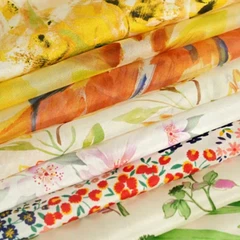
- High definition. Digital printing technology can achieve extremely high pattern clarity and detailed expression, provide diversified designs, and meet growing consumer demands.
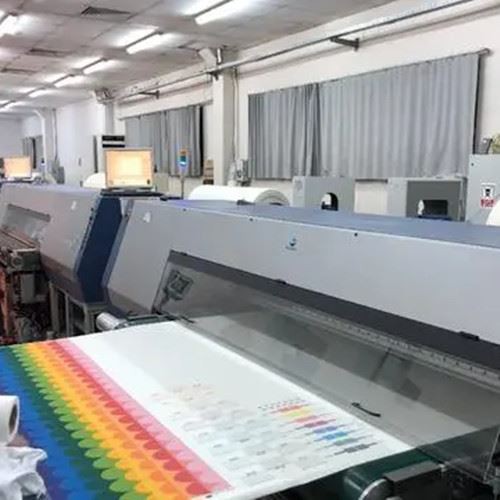
- Printing speed is fast. Compared with traditional printing technology, digitally printed fabrics can be produced faster and improve work efficiency.
- Environmentally friendly and sustainable. The ink used can be customized and is more environmentally friendly. The entire printing process produces almost no waste and has little impact on the environment.
- All-in-one printing. The exterior and interior parts of the entire fabric can be printed in one go, reducing waste and costs.
- Diverse design. Suitable for small batch production, individual patterns can be customized on demand.
Digitally printed fabrics also have some disadvantages:
- Expensive investment. The investment cost of digital printing technology is relatively high and may not be suitable for all production companies or brands.
- Suitable for specific fabrics. It is only suitable for specific types of fabrics, such as cotton, polyester, etc. For fabrics that are not suitable for digital printing technology, you need to find other printing technologies.
- Easy to fade and fade. Due to the use of chemical dyes, the pigments in the printed parts have poor moisture resistance and are prone to fading or fading.
- Easy to deform. The printing pressure and temperature required are high and may cause fabric deformation.
- In addition, the disadvantages of digital printing technology include slow printing speed and high ink cost.
Soft Composite Silk Twill Fabric