


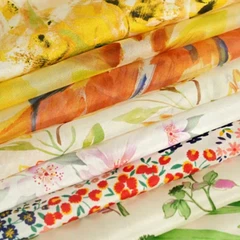
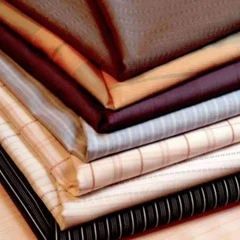
Dyeing fabrics is an important process that enhances the appearance and durability of textiles. The purpose of dyeing fabrics is to add color to the fabric, which can improve its aesthetic appeal and make it more attractive to customers. In addition to enhancing the visual appeal of fabrics, dyeing can also help to preserve the textile's longevity by protecting it from degradation caused by exposure to the elements.
The dyeing process also allows for customization of the fabric, which is particularly useful in the fashion industry. With a wide range of colors, patterns and textures available, dyeing fabrics can be used to create unique and distinctive clothing and accessories that reflect individual style and personality. Moreover, dyeing fabrics can be used to create specific color schemes that match a particular theme or design scheme.
Dyeing fabrics also plays an important role in the textile industry by providing a means of recycling and repurposing fabrics. Using natural dyes, such as indigo, and recycling fabrics can help reduce waste and promote sustainability. Additionally, dyeing can breathe new life into old fabrics that would otherwise have been discarded, creating a more sustainable and environmentally friendly textile industry.
In summary, dyeing fabrics serves many important purposes, such as enhancing the visual appeal, durability, and customization of textiles. Furthermore, it has the potential to promote sustainability and reduce waste in the textile industry. Overall, dyeing fabrics is an essential process that allows for the creation of beautiful and functional fabrics that enrich our lives in many ways.