


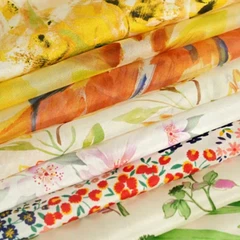
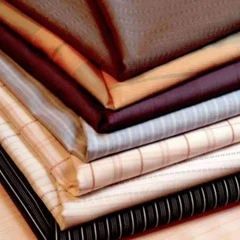
Dyed fabrics are a popular choice in the fashion and textile industry. The production of dyed fabrics requires careful consideration and attention to detail to ensure high-quality, vibrant results. The following are some production requirements for dyed fabrics:
1. Quality Fabric: The quality of the fabric used for dyeing is crucial to achieving good results. The fabric should be carefully selected and inspected to ensure it is free from defects, damage, and stains that may affect the dyeing process.
2. Choosing the Right Dyes: There are various types of dyes available, and selecting the right dye for the fabric is important. The choice of dye will depend on the type of fabric, the desired shade, and the level of colorfastness required.
3. Proper Dyeing Techniques: The dyeing process requires careful preparation and execution. The fabric needs to be properly cleaned and prepared before dyeing to ensure the dye is evenly absorbed. Techniques such as immersion dyeing, pivot dyeing, and roller dyeing are commonly used.
4. Temperature Regulation: The temperature plays a key role in the dyeing process, and it should be regulated accordingly. Too high or too low temperatures can affect the quality and shade of the dyed fabric.
5. Dyeing Time: The dyeing time will depend on the type of fabric and the desired shade. The fabric should be left to soak in the dye for an appropriate amount of time to ensure consistent, vibrant color absorption.
6. Thorough Rinsing: After dyeing, the fabric should be thoroughly rinsed to remove any excess dye and any other impurities. This helps to prevent bleeding and color fading.
Overall, producing high-quality dyed fabrics requires careful attention to detail, proper preparation, and the use of quality dye and fabric. With the right production requirements in place, dyed fabrics can be made to meet industry standards and satisfy customer expectations.